

Rivian plans US EV charging network comprising private DC and public AC charging sites
Rivian has announced ambitions plans to rollout its Rivian Adventure Network, a charging network designed to help Rivian R1S and R1T customers get to and from outdoor adventure locations across the United States, including Alaska and Hawai’i.
Rivian has announced ambitions plans to rollout its Rivian Adventure Network, a electric vehicle charging network designed to help Rivian R1S and R1T customers get to and from outdoor adventure locations across the United States, including Alaska and Hawai’i.

The Rivian Adventure Network. Image: Screenshot/Rivian

Rivian is aiming to install 3,500+ DC fast chargers at 600+ sites by the end of 2023 along popular highway routes in the United States, for the exclusive use of its customers. In a move that mimics Tesla’s proprietary Supercharger network, the Rivian Adventure Network allows automatic charging without the need for access cards or payment devices, is powered by 100% renewable energy, and can theoretically charge at over 200kW.
In addition, Rivian plans to install over 10,0000 “Waypoint” Level 2 J1772-plug AC chargers at popular destinations like State and National Parks, shopping centres and restaurants. These chargers offer an 11.5kW charging speed, and will be open to non-Rivian EV owners.

Regarding the environmental impact of the power provided, Rivian states that “Through partnerships with electricity providers, we will use wind and solar wherever possible, as well as Renewable Energy Certificates to ensure your vehicle is powered with clean electricity.”
This week, the company announced that all 42 Colorado State Parks will feature two level 2 Rivian Waypoints each, with installation commencing in July. In-vehicle navigation will be able to route customers to the nearest Rivian Adventure Network charge point, and the Rivian app will provide real-time charging information.
The Launch Edition R1T, in Launch Green is expected to begin customer deliveries in the US by August 2021.

The (sold out) Rivian R1T Launch Edition. Image: Rivian

Porsche aims for faster charging, higher energy density batteries and own fast charging network
As part of the Volkswagen Group’s inaugural Battery Day presentation, Porsche revealed continuing research and development into high performance battery and charging technologies, including the replacement of graphite with silicone in battery cell anodes.

As part of the Volkswagen Group’s inaugural Battery Day presentation, Porsche revealed continuing research and development into high performance battery and charging technologies, including the replacement of graphite with silicone in battery cell anodes.
Battery Technology
"The battery cell is the combustion chamber of tomorrow," says Oliver Blume, Chairman of the Executive Board of Porsche AG. "Our electrified high-performance sports and racing cars place the highest demands on battery technology. To meet these demands, Porsche needs special high-performance cells. Silicon has big potential."

Porsche’s Performance Battery Plus and 800V architecture as fitted to the Taycan Turbo.
An EV battery is made up of a few core components: the anode, cathode, separator, electrolyte, and one positive and one negative current collectors. Lithium ions are stored across both the cathode and anode, and the electrolyte carries these positively charged ions from the cathode to the anode during charging, and from the anode to the cathode during discharge (driving).
Porsche is looking at new battery cell chemistries to allow efficient operation in extreme temperatures, and to improve reliability and longevity in DC rapid charging. Porsche states that new batteries will begin testing in limited-production road vehicles and within their customer motorsport program. Porsche has also outlined a desire to ensure that there is a “completely European production chain for high-performance batteries”, implying a geopolitical need to avoid any reliance on dominant South Korean and Chinese cell providers LG Chem and CATL.

Battery modules in the Performance Battery Plus.
Porsche’s Own Charging Network
Porsche also announced plans to roll out a DC fast-charging network across important European autobahns, highways and motorways. Clearly looking to imitate Tesla’s Supercharger network—at least on a small scale—which provides industry-leading convenience and ease of use for Tesla owners, Porsche’s charging stations will feature six to twelve charging points, from 350kW and up.

The DC chargers at Porsche’s Leipzig customer centre could be a model for the company’s future highway chargers.
According to Blume, "An important prerequisite for electromobility is fast and convenient charging. That is why we are currently working on the details of a concept for our own fast-charging stations. We will select attractive locations for these in order to offer our customers the most comfortable and fastest long-distance travel experience possible."
Exact locations are not known at this stage, and plans outside Europe seem unlikely, but Porsche plans self-service lounge facilities with smartphone app access for its customers. These Porsche charging stations should complement the Ionity network nicely, and you can bet that the charging sites will feature Porsche’s usual high-end techno-minimalist look and feel. As the brand expands its electric offerings beyond the Taycan to the Macan and potentially the Cayenne by 2025, this rollout should quell future customers’ concerns about range anxiety, at least in Europe.

Porsche Leipzig’s customer centre features 350 kW DC/22 kW AC charging.
![MG reveals next generation EVs; Marvel R Electric crossover set for May 2022 European launch [Updated]](https://images.squarespace-cdn.com/content/v1/5237a580e4b09510ca448d5e/1616130245828-TXLCWX6IUS3R1X19WNNT/MG_MARVEL_R_03.jpg)
MG reveals next generation EVs; Marvel R Electric crossover set for May 2022 European launch [Updated]
MG Motor has pulled the covers off its Marvel R Electric SUV this week. Self-described by the company as “a high-tech, luxurious ‘lifestyle’ SUV for the C-segment”, the Marvel R Electric is essentially an export-version carbon copy of sister SAIC brand Roewe’s Marvel R.

MG Marvel R features tri-motor design, 400km WLTP range with vehicle-to-load technology
MG Marvel R Electric [updated]
[Update] Speaking with Tim Robson, PR and Communications Manager for MG Motor Australia EV Brief was told "We're excited to see what MG Motor Europe has shown with the Marvel R, and we reckon Australians would love its performance, technology and styling. However, it's not on the cards for Australia at the moment."
MG Motor has pulled the covers off its Marvel R Electric SUV this week. Self-described by the company as “a high-tech, luxurious ‘lifestyle’ SUV for the C-segment”, the Marvel R Electric is essentially an export-version carbon copy of sister SAIC brand Roewe’s Marvel R.
This “R” sub-brand was conceived to promote higher-end vehicles of a sportier design aesthetic, and these cars are marketed though a stand-alone dealer network in China.


The MG Marvel R Electric does indeed appear to be high-tech, with a tri-motor drivetrain (albeit with “only” 212 kW (288 PS). One can only assume that MG Motor has chosen a three motor setup—one of the front axel and two on the rear—so as to integrate smaller, more compact and efficient motor designs into its BEVs. The company has not provided a curb weight figure however.
The Marvel R Electric boasts a peak torque figure of 665 Nm, (490 lb ft) and a claimed 0-100 km/h (0-62 mph) time of 4.9 seconds. According to MG Motor’s press release, a rear-wheel-drive variant will also be available; presumably with a two-motor setup to accommodate a front trunk.
At 4,674 mm long with a 2,800mm wheelbase, 1,919 mm wide and 1,618 mm tall, The Marvel R Electric is slightly longer, and wider than Volkswagen’s ID.4 (4,585 mm long, 2,765 mm wheelbase, 1,852 mm width, 1,636 height)

The Marvel R Electric has a pleasingly contemporary appearance; one that is far removed from the traditional-yet-handsome ZS EV. Wide front and rear LED light strips—de rigueur these days it seems—dominate the design, and pleasing surface creases and aggressive vents give the Marvel R Electric some street appeal.
The interior is also a step up from the ZS EV, with soft touch materials across the doors and dashboard, metal-finish switchgear, a full LCD driver’s display measuring 12.3 inches and large vertically-mounted touchscreen of almost 20 inches—a la Tesla Model X and Mustang Mach-E—dominating the console.
MG Marvel R Electric provisional specifications
Tri-Motor 212 kW / 665 Nm*
All-Wheel Drive (Tri-motor)
>400 km WLTP range*
1.8 sec (0-50 km/h acceleration)*
4.9 sec (0-100 km/h acceleration)*
200 km/h (top speed)*
11 kW AC Charger (3-phase fast charging)
30 min to 80% battery level fast-charging capacity
750 kg towing capacity*
Digital cockpit with 19.4” floating screen
MG Pilot – advanced driver assistance systems (ADAS)
Climate control with heat pump
V2L 2,500W power supply for external usage
Battery technology
MG Motor claims a WLTP range of over 400 kilometres, and although battery specifications haven’t been provided, it’s safe to assume that the MG will share Roewe’s 69.9 kWh gross battery capacity. There’s also 11kW AC charging on board, and DC charging that can achieve 80% SoC in 30 minutes. MG hasn’t provided a DC charging rate, but from the above figure we can assume it will be around 100-120kW.
The MG Marvel R Electric is expected to launch in Europe from May 2021. We have contacted MG Motor Australia about possible availability, and will update with their response.

The SAIC Roewe Marvel-R, on which the MG Marvel R is based. Image: Forma car News

The MG5 Electric wagon
MG5 Electric Wagon
Also not to be missed, was MG’s announcement of a facelift for its MG5 electric station wagon (or estate, or touring depending on where you reside).
This update brings a fresher face to the current version’s plain styling. Don’t dismiss the MG5 purely on aesthetic grounds however. A practical, spacious wagon with 578l trunk space priced from £24,495 (after Plug In Car Grant) helped the brand to strong UK sales in 2020 despite the COVID-19 pandemic.

The MG5 offers a similar 400 kilometre WLTP range to the Marvel R, and features a single drive motor with 135 kW (184 ps) and 280 Nm of torque. 11kW AC charging and high-speed DC charging are standard.
We can expect to see the MG5 Electric hitting the streets of Europe in October 2021.
MG5 Electric provisional specifications
World’s first electric station wagon
>400 km (WLTP range)*
578L (trunk volume)
1,456L trunk volume max
135 kW / 280 Nm electric motor*
3.4 sec (0-50 km/h acceleration)*
8.3 sec (0-100 km/h acceleration)*
11 kW AC Charger (3-phase fast charging)
30 min to 80% battery level fast-charging capacity
500 kg towing capacity*
75 kg roof load*
MG Pilot – advanced driver assistance systems (ADAS)
V2L 2,500W power supply for external usage


BMW teases i4 electric sedan with new images and details; BMW M Performance version to follow
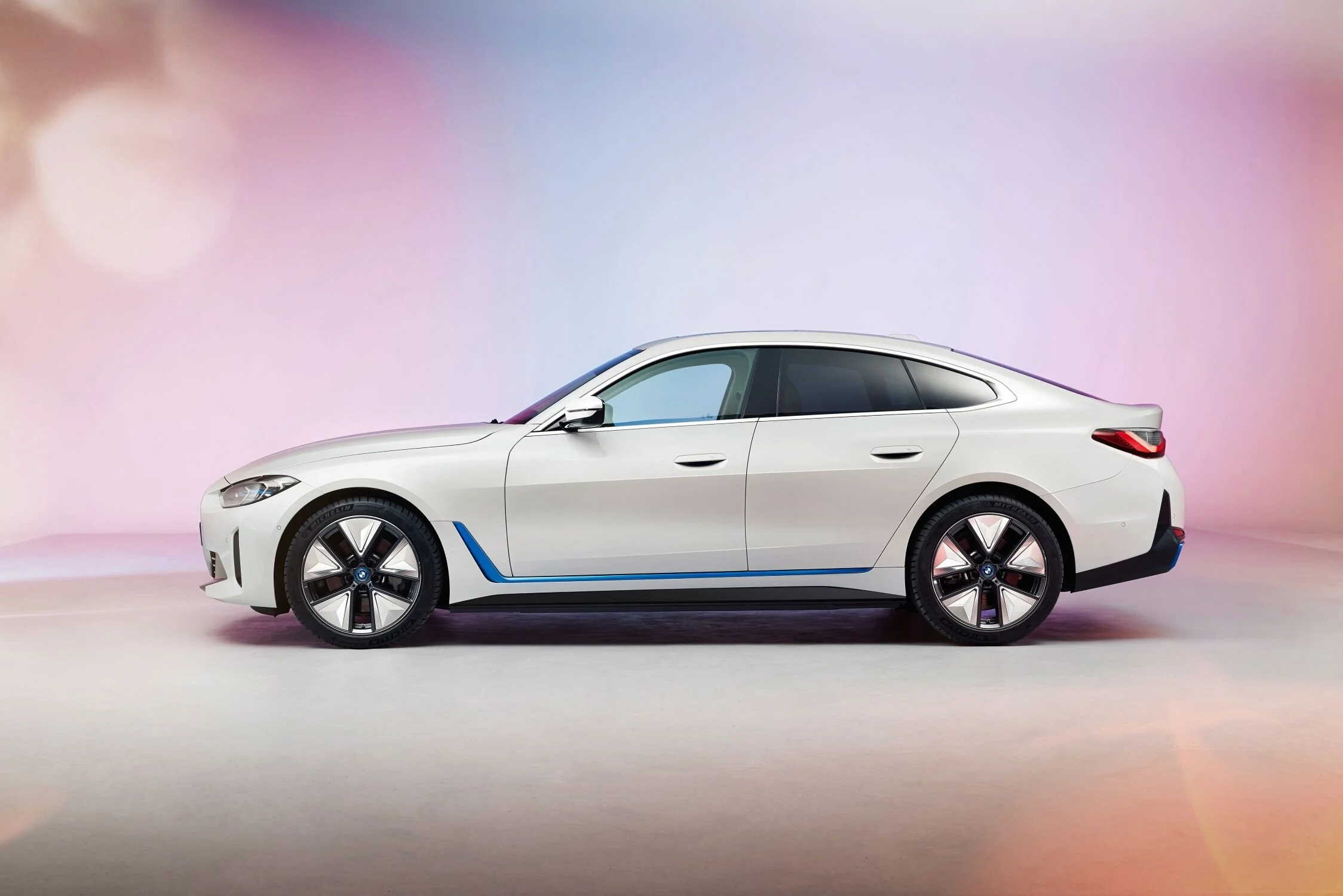
BMW has teased exterior images of the new i4 Gran Coupe EV at its annual conference in Munich, Germany overnight. The automaker is drawing out the launch, with full technical specifications and interior images to be released over the next few weeks.

BMW shows off its first all electric sports sedan - the i4 Gran Coupe with up to 590km (366mi) WLTP range
BMW has teased exterior images of the new i4 Gran Coupe EV at its annual conference in Munich, Germany overnight. The automaker is drawing out the launch, with full technical specifications and interior images to be released over the next few weeks.
BMW promises up to 590km (366mi) WLTP range, power up to 390 kW (530PS) as well as a BMW Motorsport version (eventually). We can expect the i4 Gran Coupe to compete against a range of vehicles in the competitive sports sedan class, from Tesla’s Model 3, Model S and Polestar 2 at the more affordable end, to the Porsche Taycan and Audi E-Tron GT when BMW announces an i4 Gran Coupe M Performance.

Broadly sharing most of the design details from the concept i4, the usual “toning down” has taken place, with less futuristic headlights to satisfy various legal and cost constraints, conventional side mirrors and smaller wheels.
The large “grille” remains, along with vertical front intakes, slim, broad taillights and BMW’s signature Hofmeister kink on the rear doors. We like it; though it lacks the “wow” effect of the concept i4, proportions are sound, and the design details are contemporary. One thing though; please lose the blue highlights BMW!
The BMW Concept i4 vs. the production i4:

The BMW concept i4

The BMW i4 Gran Coupe

The i4 will be built on BMW’s flexible and modular CLuster ARchitecture (CLAR) platform, on which the iX3 and iX SUVs are based. Notably, BMW will produce the i4 Gran Coupe on the same production lines as petrol and diesel models, thanks to a massive €200 million retooling of the Munich assembly plant.
Most manufacturers—including BMW—are focusing on the development of crossovers and SUVs based on their next generation electric architectures, so it’s great to see Munich also prioritising an all-electric sports saloon.
As mentioned, further technical details and imagery is expected to be launched over the next few weeks. While BMW has yet to reveal pricing and launch timing, we can expect the i4 to follow the iX SUV to market in early 2022.


Images: BMW AG

BMW announces iX xDrive40, xDrive50 ahead of Q4 2021 Australian launch
BMW has today confirmed that it’s first-ever iX model line will reach Australian shores in 2021, in the form of the iX xDrive40 and iX xDrive50.
The BMW iX is currently undergoing its final phase of series development, and is the first model based on a new, modular and scalable toolkit which will underpin the brand’s future electric vehicles.


BMW has today confirmed that it’s first-ever iX model line will reach Australian shores in the fourth-quarter of 2021, in the form of the iX xDrive40 and iX xDrive50.
The BMW iX is currently undergoing its final phase of series development, and is the first model based on a new, modular and scalable toolkit which will underpin the brand’s future electric vehicles.

Full specifications are yet to be released, but BMW claims “In excess of” 370kW and 240kW developed by BMW iX xDrive50 and iX xDrive40 drive systems respectively, allowing 0-100km/h (0-62 mph) sprint times of five seconds for the iX xDrive50 and six seconds for the iX xDrive40.
The iX xDrive 50 will offer a WLTP range of more than 600km, and the xDrive40 a range of 500 km. BMW claims an energy consumption figure of less than 21kWh per 100 kilometres for both models.

While BMW hasn’t revealed full battery specifications, they have stated that the xDrive50 will have a gross energy content of “more than 100kWh” with 200kW charging, while the battery unit for the BMW iX xDrive40 has a gross energy content of “more than 70kWh” with 150kW charging.
In terms of technology, the iX range will debut BMW’s newest iteration of iDrive including BMW Operating System 8 which debuted this week.
BMW iX xDrive40 starts from £69,000 ($96,000 USD or $124,000 AUD) in the UK, so expect it to launch closer to $150,000 when it arrives in Australia later this year. It’s understood that BMW is working on an M motorsport-honed variant too. We will keep you updated as further details and pricing are released closer to launch.

Kia reveals EV6 electric crossover ahead of late March 2021 launch
Kia has pulled the covers off its new E-GMP based EV6 overnight, and it’s a sharp looking thing. Part crossover and part sedan, the EV6 share’s the Hyundai IONIQ 5 and Polestar 2’s high-riding design, and points to a new design direction for the company’s battery electric vehicles.
Kia has pulled the covers off its new E-GMP based EV6 overnight, and it’s a sharp looking thing. Part crossover and part sedan, the EV6 share’s the Hyundai IONIQ 5 and Polestar 2’s high-riding design, and points to a new design direction for the company’s battery electric vehicles.
According to Karim Habib, Senior Vice President and Head of Kia’s Global Design Center, “EV6, as the first dedicated Kia EV, is a showcase of human-centred, progressive design and electrified power. We strongly believe EV6 is a compelling and relevant model for the new EV market. With EV6 we aimed to create a distinctive, impactful design by using a combination of sophisticated, high-tech features on pure and rich volumes, while providing a unique space as a futuristic EV.”
Kia’s new logo graphic works very well on the EV6, looking contemporary, upscale and progressive all at the same time. It’s nice to see a company moving away from the trend of ginormous front grilles, especially when it’s a case of form over function with electric vehicles. The front headlights have a hint of Audi design to them, while the generously sized up-swept rear taillights remind us of Aston Martin’s DBX.
The interior of the EV6 shares some similarities with the IONIQ 5 in basic architecture and the two-screen setup, but the design and control surfaces are a little more conventional. We expect Kia to release more information on features and functionality at the global launch. At this stage, we have only been advised by Kia that the launch will take place in “March 2021”.

2022 Audi Q4 e-tron previewed with 450km range, augmented reality tech
With aspirations to dominate every market segment, the Volkswagen Group is looking to utilise its electric vehicle architecture across multiple brands and vehicle classes. Enter the Q4 e-tron: the first Audi model based on the Modularer E-Antriebs-Baukastenmodular, or modular electric drive toolkit as a literal translation.

Audi reveals pre-production MEB-based 2022 Q4 e-tron
Based on Audi’s Modularer E-Antriebs-Baukastenmodular (MEB) architecture
The smallest e-tron SUV in Audi’s line up at 4,590mm (15.1 ft) long, 1,865 millimeters (6.1 ft) wide, and 1,613 millimeters (5.3 ft) high
Two electric motors with 224 kW (304 PS), 82kWh battery with claimed 450 km (280 mile) range
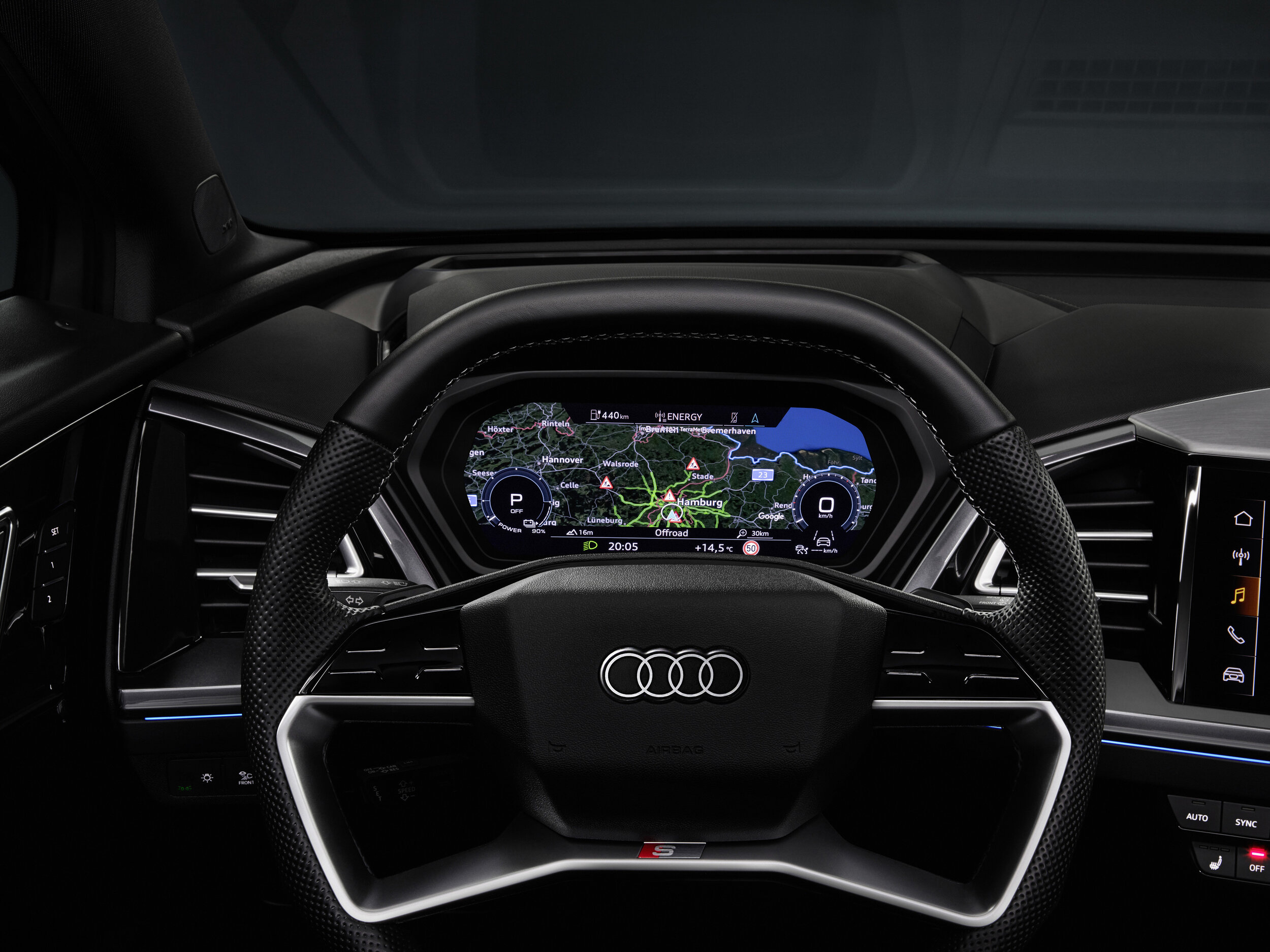
Fully digital operating concept with augmented reality head-up display
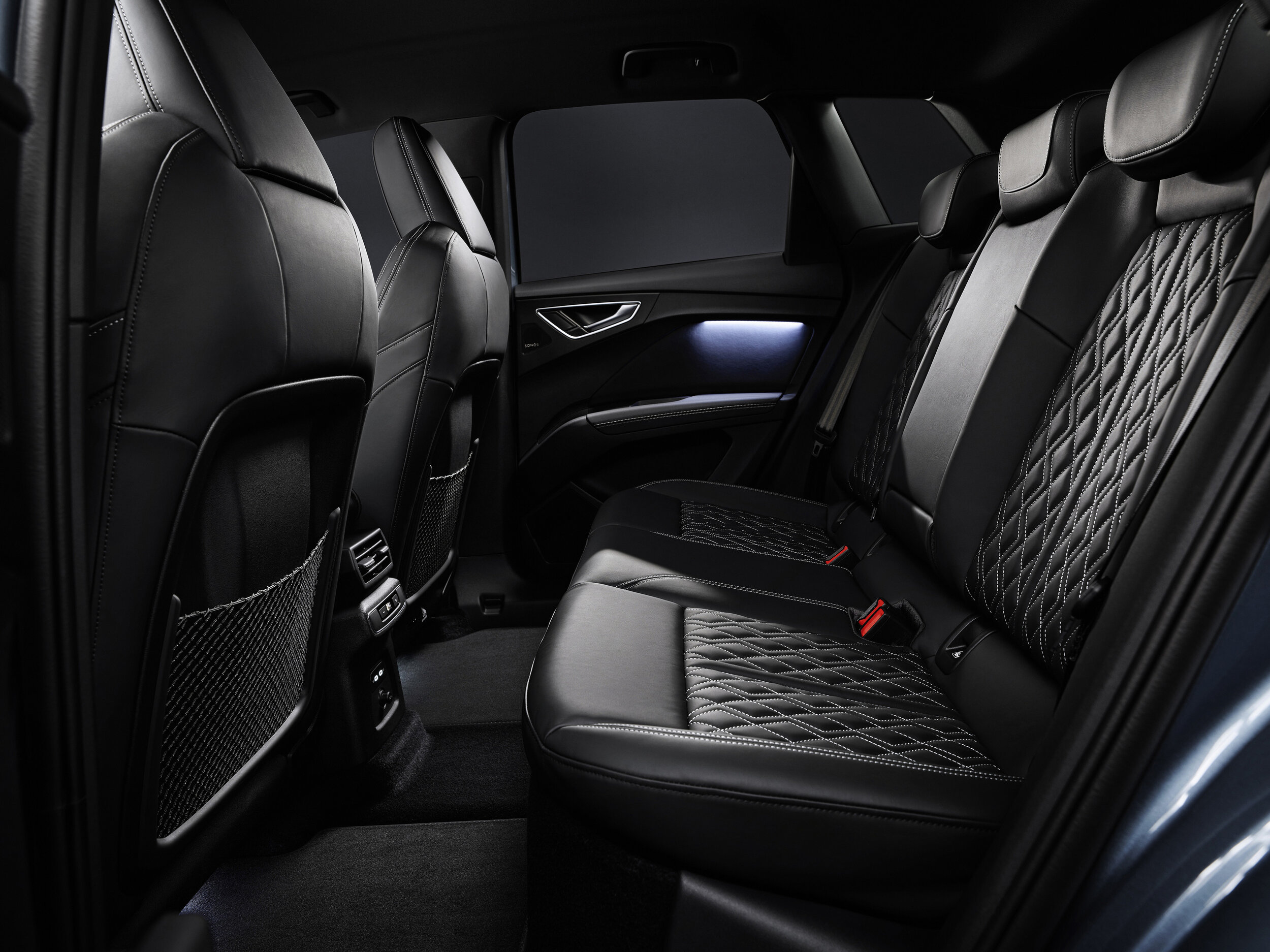
Upholstery materials with recycled polyester
Worldwide reveal set for April 2021






Q4 e-tron spearheads Audi’s compact electric crossover rollout
With aspirations to dominate every market segment, the Volkswagen Group is looking to utilise its electric vehicle architecture across multiple brands and vehicle classes. Enter the Q4 e-tron: the first Audi model based on the Modularer E-Antriebs-Baukastenmodular, or modular electric drive toolkit as a literal translation.
The MEB is designed exclusively for EVs, and already underpins the Volkswagen ID.3 and ID.4, as well as the Škoda Enyaq. It’s flexibility will see use across future Volkswagen family models, including from the Cupra brand.

Q4 e-tron battery and drivetrain
Packing an 82kWh battery likely to be manufactured by LG Chem, the Q4 e-tron should have a WLTP range of 450 km (280 miles) and can be charged up to 125 kW. With two electric motors outputting a combined 224 kW (304 PS), Audi claims a 0-100km/h (0-62 mph) time of 6.4 seconds.
Of course, quattro -all-wheel-drive will be standard, and it’s expected that adaptive air suspension will also be a feature on the Q4 e-tron.
Exterior Styling
My, didn’t Audi’s wrappers have a field day? Graphics aside, the Q4 e-tron has many familiar Audi design cues. Those slim LED headlights with segmented daytime running lights, that single-frame grille (though perhaps it’s time for Audi to ditch this when it serves no function) the pronounced rear wheel arches and angular taillights.
At 4,590mm (15.1 ft) long, it’s around 10cm longer than a Q3, though that may be hard to discern in the metal. Audi will likely be producing a Q4 e-tron Sportback, complete with cut-off plunging roofline.

Technology and Interior
Audi is promoting the technical innovations and interior features of the Q4 e-tron in the lead up to the vehicle’s global reveal. With the latest version of the Audi Multi-Media Interface (MMI), drivers will have a head-up display with augmented reality features that can project important information over objects in the driver’s line of site, similar to technology already deployed by Mercedes-Benz.
The usual passive and active safety features are expected, such as blind spot monitoring, lane-keeping assistant, front collision avoidance and adaptive cruise control with semi-autonomous capabilities.

Audi also claims the Q4 e-tron offers similar exterior dimensions to a Q3 SUV, but with Q5 levels of space on the inside. The luggage compartment provides 520 litres (18.4 cu ft) of space for luggage, and the 2.76 metre (9.1 ft) long wheelbase should provide comfortable foot, knee and legroom for front and rear seat passengers.

It’s nice to see the shift away from leather interiors; to each their own, but leather has a huge environmental footprint, not to mention the ethical issues around animal skin. The Q4 e-tron offers a combination of artificial leather microfiber Dinamica, which looks and feels like suede but is made of 45 percent recycled polyester, sourced from textiles and PET bottles.
We’re expecting the Q4 e-tron to go on sale (in base trim) from $45,000 USD / £50,000 when it is revealed to the public next month. While there’s nothing about this upcoming crossover that appears revolutionary, the combination of the usual Teutonic interior quality with Audi’s contemporary (if predictable) exterior styling should bode well for the MEB-based electric crossover’s sales.

Nissan reveals paint colour palette for upcoming Ariya electric SUV
Nissan has unveiled a palette of ten exterior colours for the Ariya SUV, a pleasing change from the likes of Volkswagen which only offers a greyscale palette plus red or blue on expensive variants of its ID.4. There are four monotone and six two-tone options, and Nissan claims the paint portfolio was crafted to elevate Ariya’s premium look and feel.

Nissan Ariya boasts two bespoke colours, reduced CO2 output during paint process
Two brand-new colours have been developed by Nissan, Akatsuki Copper and Aurora Green
Technological innovations in the paint production line reduces carbon dioxide output by 25%
Nissan has unveiled a palette of ten exterior colours for the Ariya SUV, a pleasing change from the likes of Volkswagen which only offers a greyscale palette plus red or blue on expensive variants of its ID.4.
There are four monotone and six two-tone options, and Nissan claims the paint portfolio was crafted to elevate Ariya’s premium look and feel. The colours are applied by a highly advanced, environmentally sustainable paint production technology that reduces carbon dioxide output by 25% according to the company – further reducing the environmental footprint of this zero emission vehicle.
New colours for a new era of electrification
The design team developed Akatsuki Copper and Aurora Green especially for the all-electric coupé crossover. “The ingenuity the Nissan Ariya represents inspired us to adopt an entirely new mindset for colour design,” said Lesley Busby, Colour Manager at Nissan Design Europe.
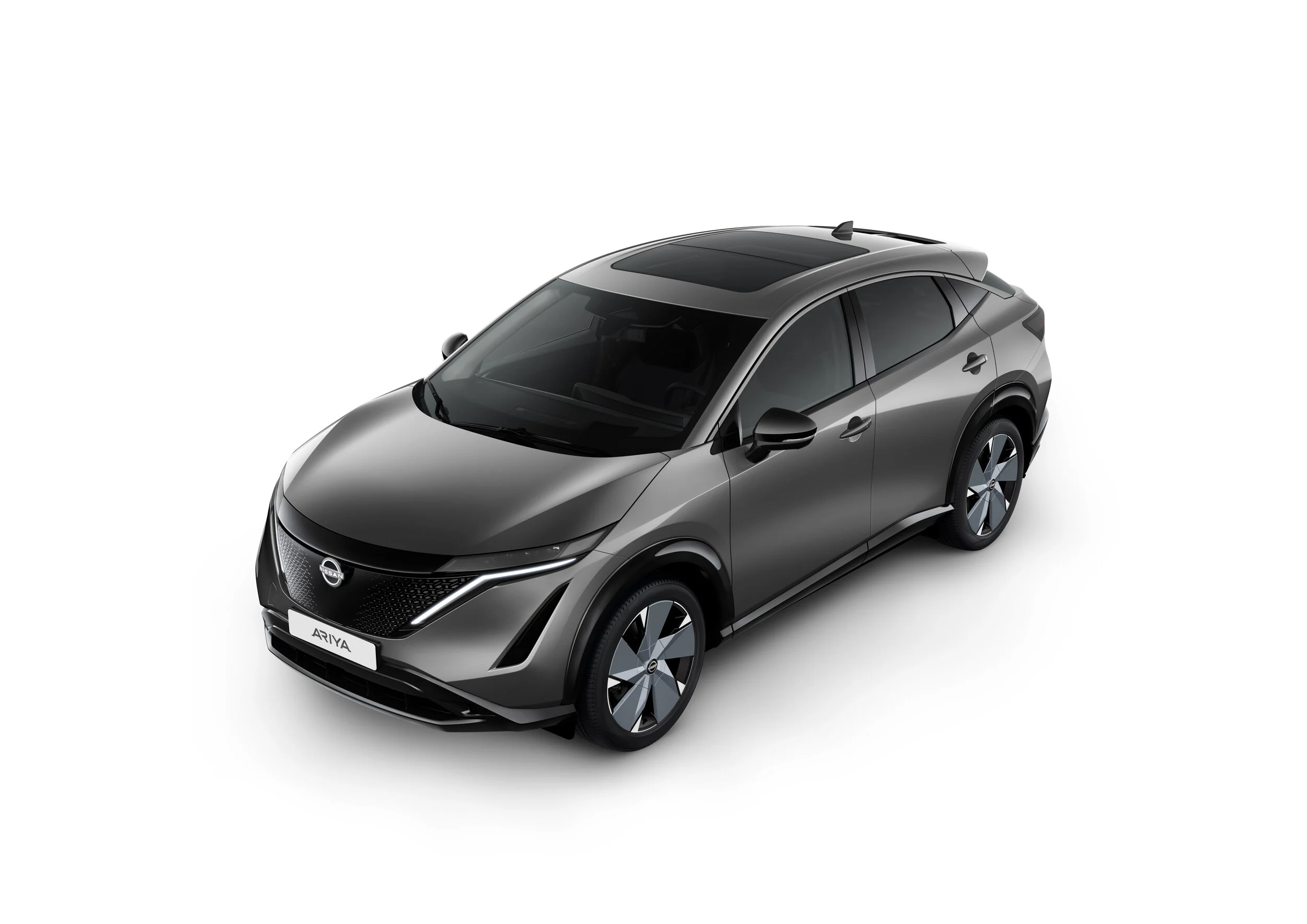


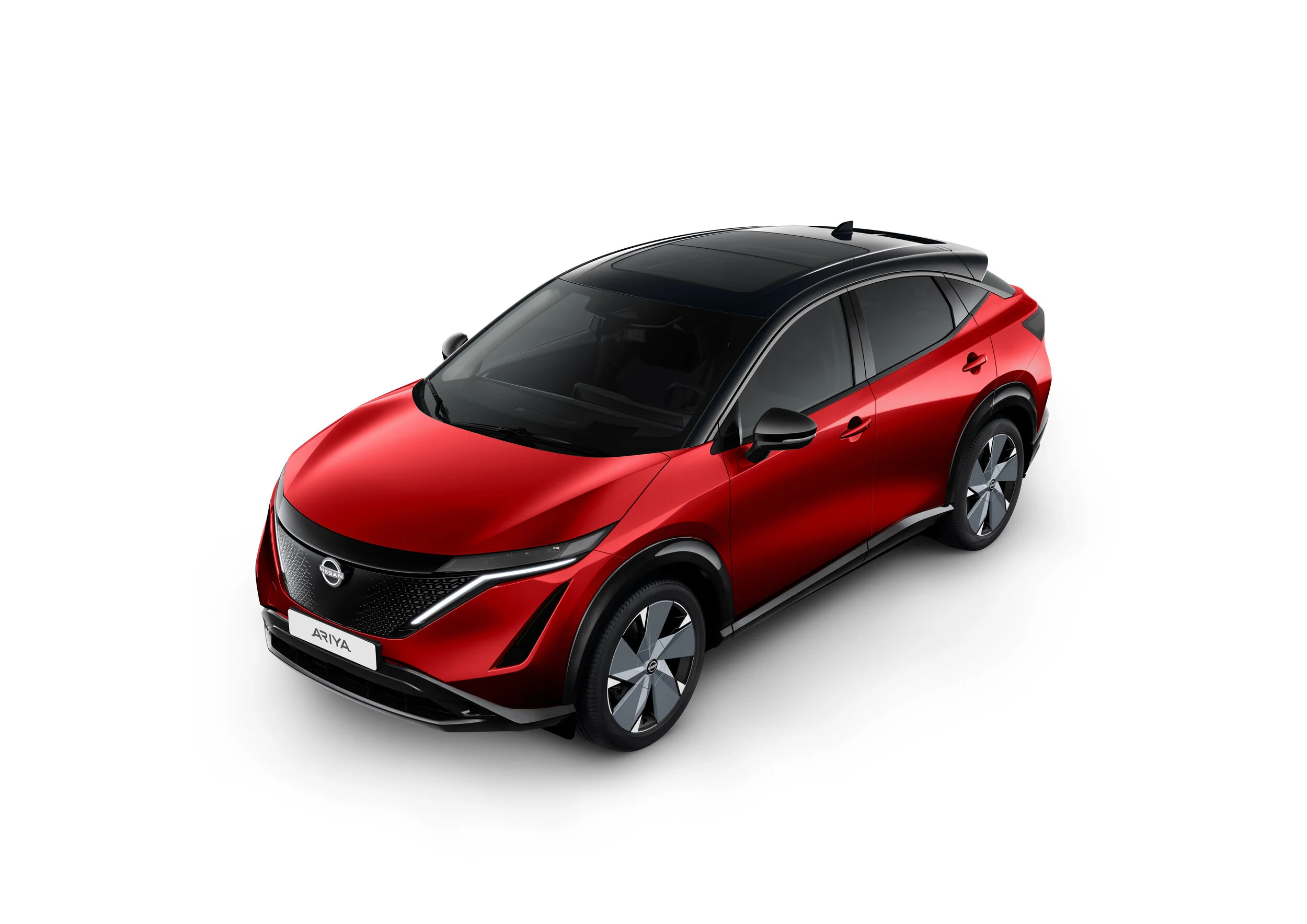

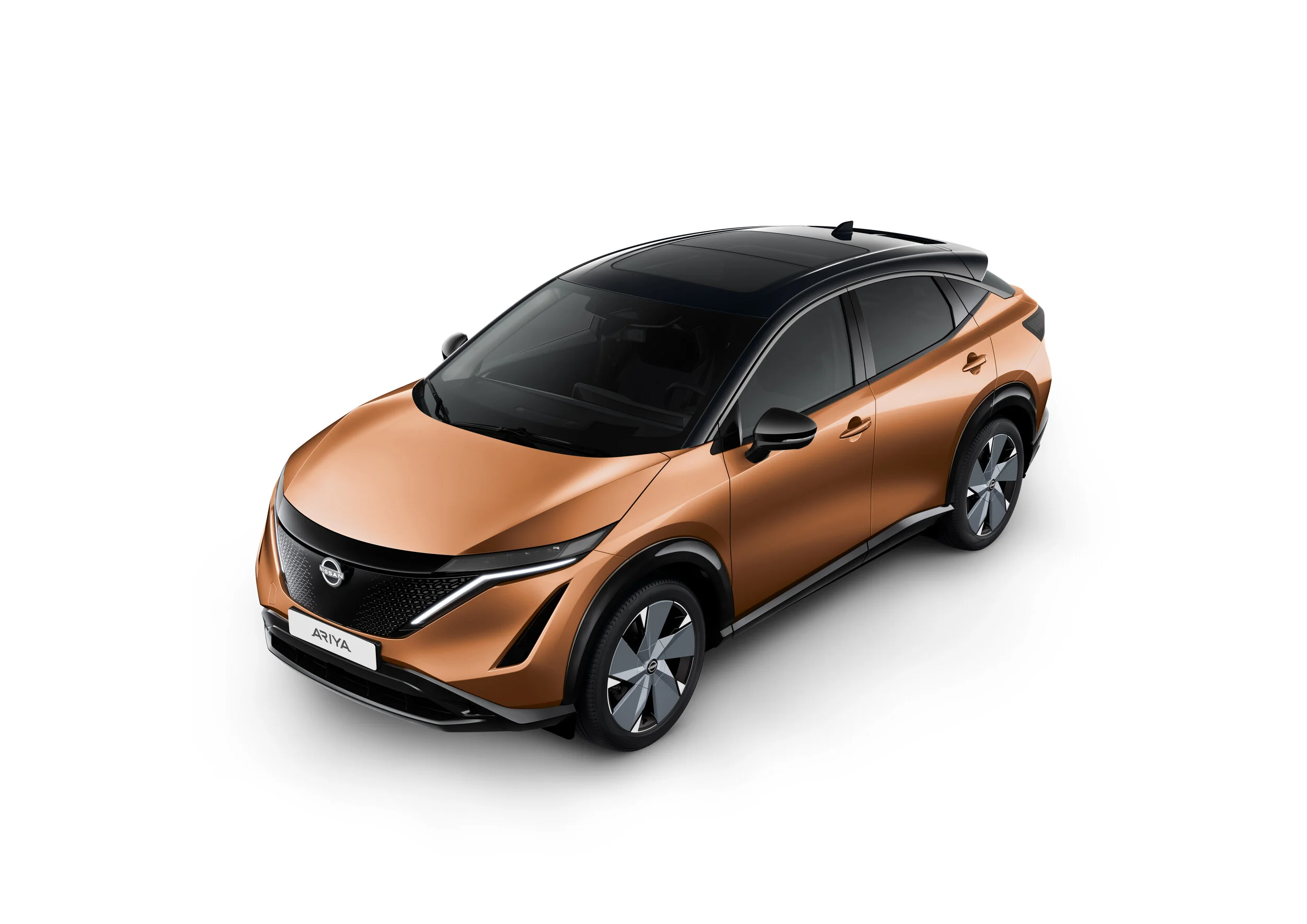
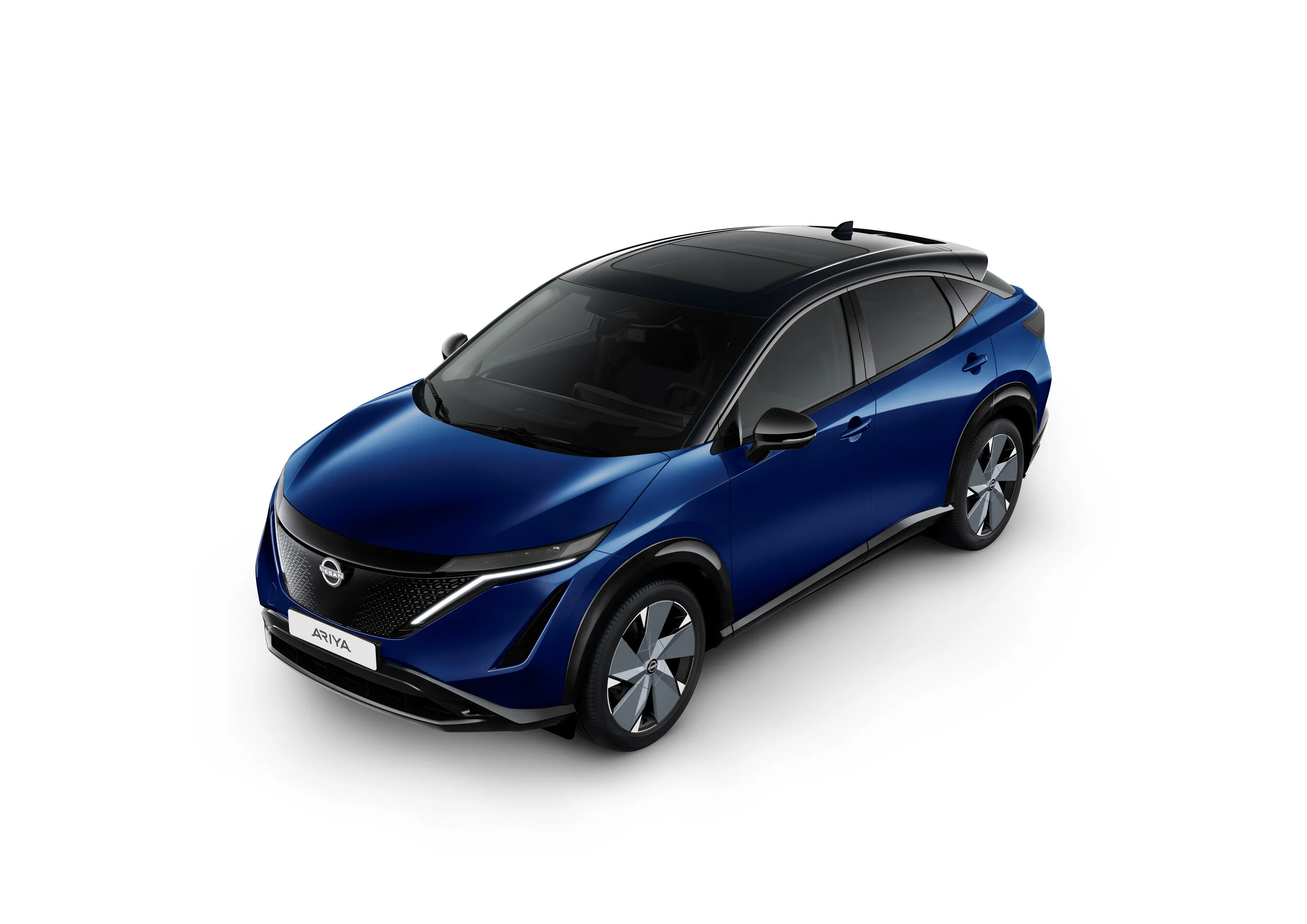


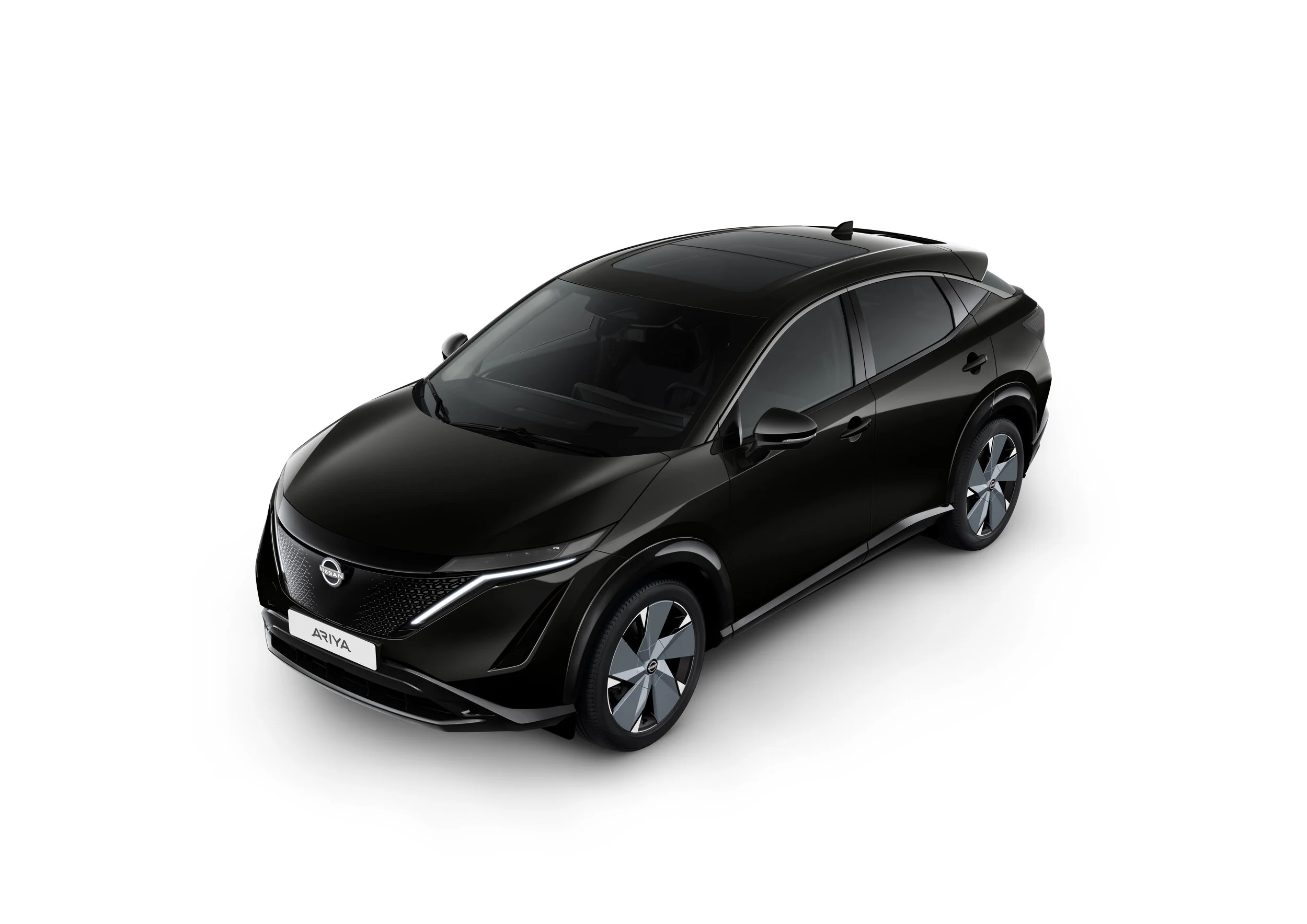

Nissan Ariya in Akatsuki Copper. Images: Nissan
“Ariya is the culmination of Nissan’s electric mobility expertise and a strong statement of intent for the future of EV design. We therefore worked hard to introduce a truly futuristic and technology-driven design language for the colours, analysing them in detail to create the perfect match for Ariya’s innovative personality,” Lesley Busby continued.
Inspired by the Japanese phrase for ‘dawn’, Akatsuki Copper’s striking appearance mimics the brilliance of a sunrise, reflecting the beginning of Nissan’s new brand identity. Its metallic sparkle is enhanced to evoke the conductivity of copper wires, honouring the model’s advanced EV technology.
Aurora Green takes its name from the beautiful ‘Northern Lights’ phenomenon, aurora borealis, commonly seen in the arctic. A sophisticated blend of different tones means the colour may appear green or purple depending on the angle that it is viewed, creating a sense of wonder and intrigue.
Technology innovation in colour
Nissan claims an all-new level of detail and depth to customer-favourite colours, created with state-of-the-art paint production techniques. Lesley Busby commented: “We know that black and white colours are some of the most popular options with vehicle owners in Europe and around the world. With Ariya, we have introduced a new level of richness and a premium veneer for these customer favourites. Combined with the quality and attention to detail seen throughout the colour palette, we’re excited for customers to experience Nissan’s new era of colour design for themselves.”
Sustainable production techniques
Technological innovation has also been employed to enhance the sustainability of the paint production line. Nissan has introduced a water-based paint which allows colours to be applied at a lower temperature, ensuring that each part of the vehicle can be painted together. This streamlines the entire application process, reducing carbon dioxide output by 25%.
The Ariya already has over 29,000 preorders worldwide according to Nissan, and is scheduled for a Japanese launch mid-2021 starting from 5 million yen ($66,700 AUD), and a European, Chinese and North American launch late in 2021.
While Nissan Australia has gone on the record as keen to import the Ariya, no Australian launch timing or pricing has been provided by the company. We’ll keep you updated if and when that changes.

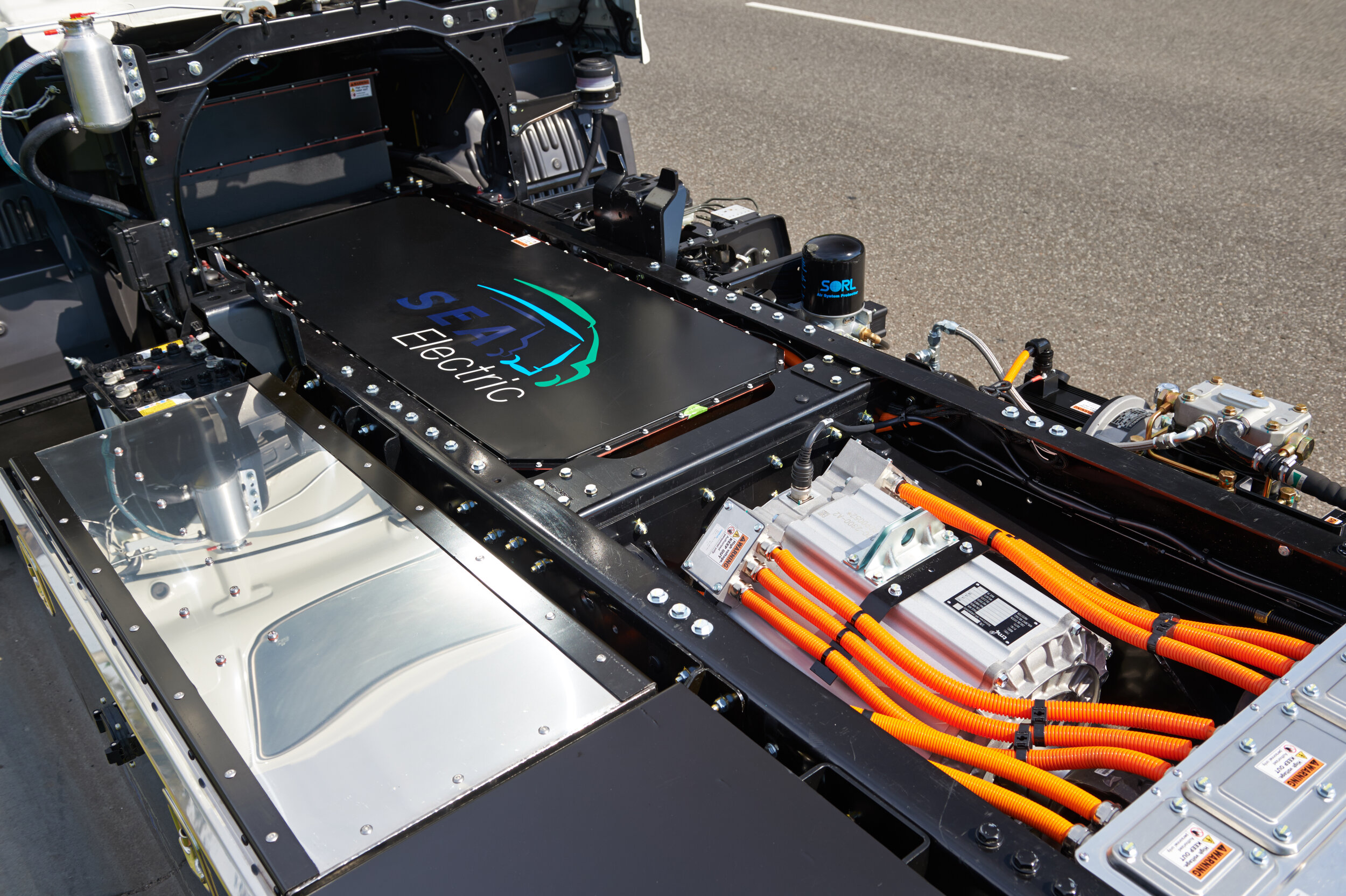
Australian commercial EV manufacturer SEA Electric completes US$42 Million equity financing
This week, SEA Electric announced it has closed initial private placement equity financing for total gross proceeds of approximately US$42 million. The net proceeds from the investment will allow SEA Electric to solidify its position as a market leader in the electrification of commercial vehicles whilst funding its considerable backlog and facilitating more pilot programs with operators.
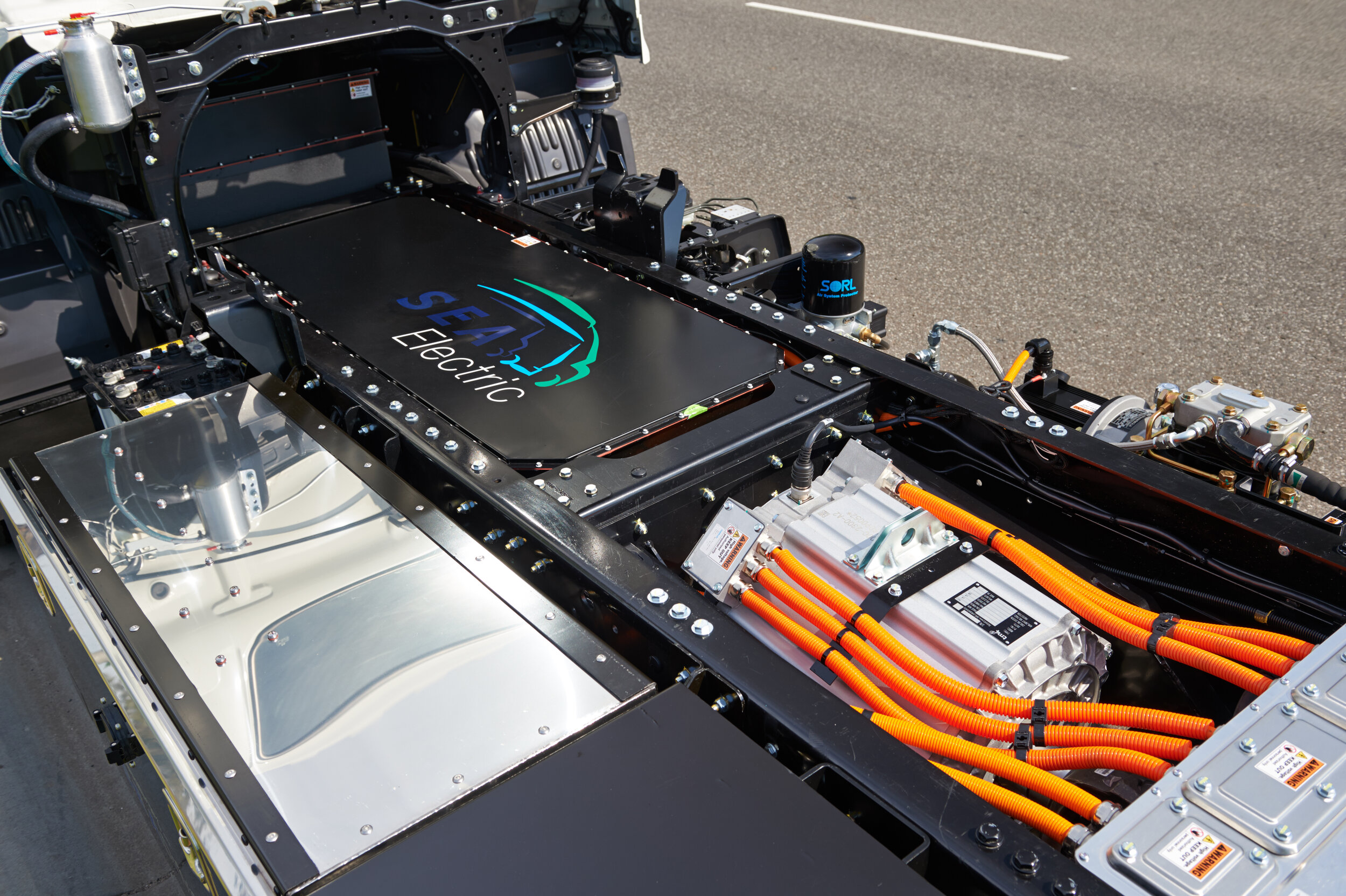
The SEA-Drive Power System. Images: SEA Electric
Founded in Australia in 2012, SEA Electric Holdings Pty Ltd. (SEA Electric) has become an international success story with its proprietary electric power-system technology (known as SEA-Drive®) now found across the world's urban delivery and distribution fleets.
With products in seven countries including USA, Canada, Australia, New Zealand, Thailand, Indonesia and South Africa, SEA Electric has more than one million miles of independently OEM-tested and in-service operation behind its technology.
This week, SEA Electric announced it has closed initial private placement equity financing for total gross proceeds of approximately US$42 million. The net proceeds from the investment will allow SEA Electric to solidify its position as a market leader in the electrification of commercial vehicles whilst funding its considerable backlog and facilitating more pilot programs with operators.

According to President and Founder Tony Fairweather, the financing allows SEA Electric to accelerate its global sales efforts and further utilize its proprietary Sea-Drive® 120b battery power system, while strengthening the delivery and distribution transportation segment for vehicles that operate in urban and metropolitan areas.
SEA Electric issued approximately 1.1 million Series A Preferred Shares at a price of US $40.1995 per share, convertible into common shares of SEA Electric at the option of subscribers and automatically convert to common shares under certain conditions, including SEA Electric completing a public transaction.
Fairweather stated, “We are very pleased to have completed a heavily oversubscribed equity financing and are excited to welcome aboard a global set of institutional investors as partners. The financing allows SEA Electric to grow our backlog as we explore options to seek a public listing in the United States this year.”
SEA Electric currently partners with commercial vehicle OEMs, dealers, operators and upfitters to deliver a new range of zero-emissions trucks and is on schedule to deliver more than 1,000 electric commercial vehicles this year. The company forecast is to have more than 15,000 vehicles on the road by the end of 2023.
“2021 will see a paradigm shift in the way developed markets facilitate uptake of commercial electric vehicles and the unstoppable momentum will build year-after-year” said Fairweather.
It is a notable achievement that in the face of lacklustre government support for clean technology in Australia, a company like SEA Electric has successfully conquered the international market in eight years. Companies like SEA Electric, Tritium and Evans Electric exemplify the technical and creative capital that exist in Australia that must be nurtured to support jobs, manufacturing and the transition to clean energy technologies.

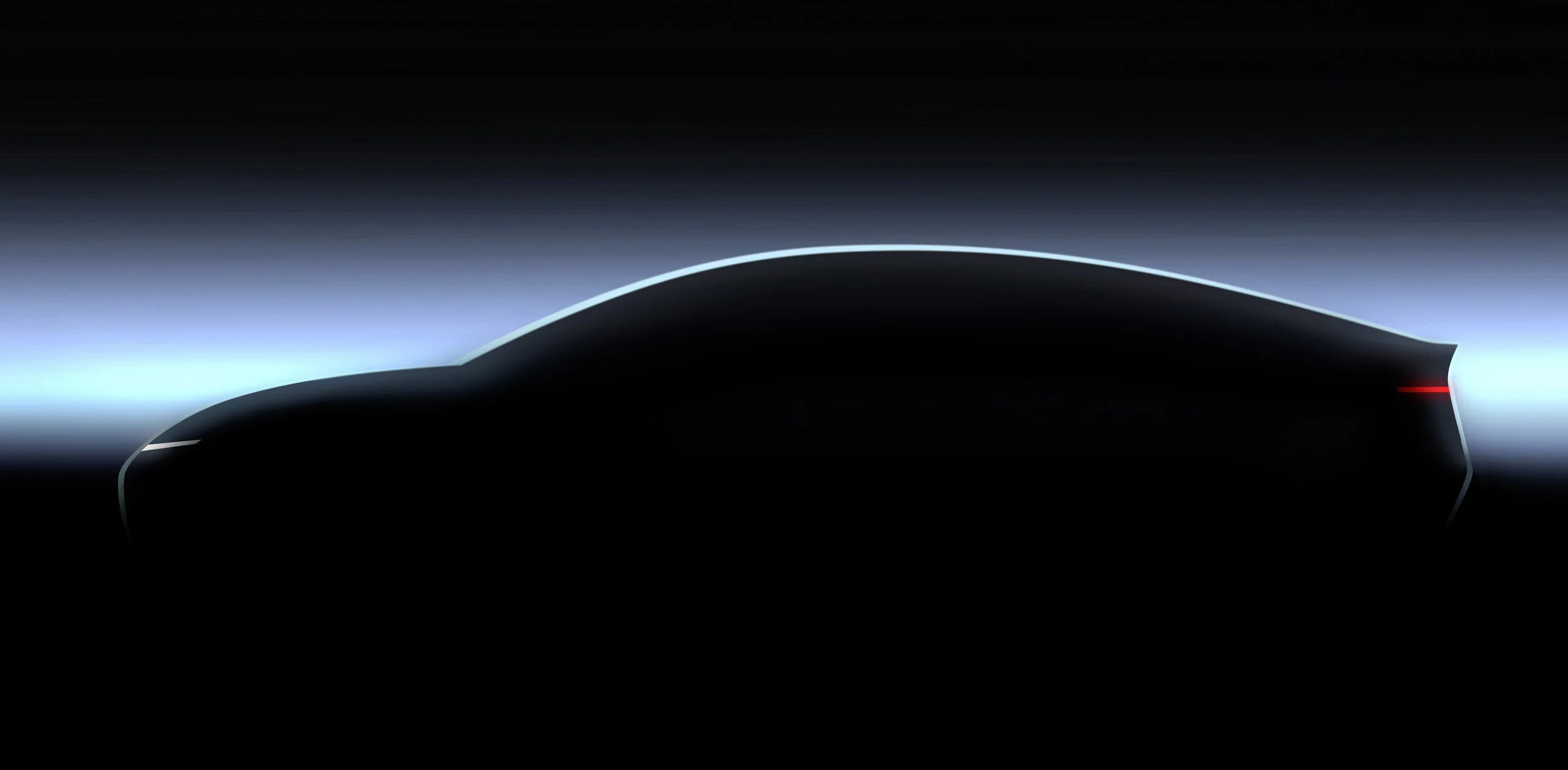
Volkswagen's 2020 "Project Trinity" promises step change in EV range and charging
Volkswagen has announced that they are working on a cutting-edge electric saloon to be built in Wolfsburg from 2026. Expected to be similar in size to the company’s Arteon fastback saloon, Volkswagen promises ”new standards in terms of range, charging speed and digitization—as well as being able to drive highly automated according to Level 4.”

Volkswagen has announced that they are working on a cutting-edge electric saloon to be built in Wolfsburg from 2026. Expected to be similar in size to the company’s Arteon fastback saloon, Volkswagen promises ”new standards in terms of range, charging speed and digitization—as well as being able to drive highly automated according to Level 4.”
Based on the company’s MEB electric vehicle architecture, the Project Trinity EV should feature advanced vehicle autonomy and connectivity systems.
According to Volkswagen, the project name Trinity is derived from the Latin “trinitas” and stands for the tri-unity. Accordingly, Trinity stands for three crucial themes: a newly developed electronics platform with state-of-the-art software, the simplification of the supply structure, and fully networked and intelligent production at the main plant in Wolfsburg.
Volkswagen claims the newly developed vehicle architecture will set standards in terms of range, digitalization and charging speed, with the aim of Project Trinity to allow customers to charge as fast as traditional refueling.
By the planned start of series production in 2026, it is anticipated that Trinity will reach Level 2+ and be technically ready for Level 4.
“We are using our economies of scale to make autonomous driving available to many people and to build a learning neural network. In this way, we are creating the conditions for the continuous exchange of data from our vehicle fleet—for example, on the traffic situation, on obstacles or on accidents,” says Ralf Brandstätter. Trinity thus gives people time and saves them stress. After a long highway trip, you arrive at your destination relaxed. Because you have been driven by a chauffeur to your vacation or to your home after work. “Trinity therefore becomes a kind of 'time machine' for our customers,” says Ralf Brandstätter.
With the production of the series version, the Wolfsburg plant will become a showcase for state-of-the-art, intelligent and fully networked production processes. “We will completely rethink the way we build cars and introduce revolutionary approaches. Digitalization, automation and lightweight construction play an important role here,” says Ralf Brandstätter.
Future vehicle models such as Trinity will be produced with considerably fewer variants, and the hardware will be largely standardized. The cars will then have virtually everything on board and customers will be able to activate desired functions “on demand” at any time via the digital ecosystem in the car. This will significantly reduce complexity in production.
By developing the automobile into a software-based product, Volkswagen is creating the conditions for new, data-based business models. Entry barriers to individual mobility are to be lowered, while at the same time offering even more attractive usage packages. Volkswagen intends to generate additional revenue in the usage phase—for charging and energy services, for software-based functions that customers can book as needed, or for automated driving. “In the future, the individual configuration of the vehicle will no longer be determined by the hardware at the time of purchase. Instead, customers will be able to add functions on demand at any time via the digital ecosystem in the car,” says Ralf Brandstätter.
According to Inside EVs, Volkswagen clarified some issues with what Ralf Brandstätter told Welt Am Sonntag in an interview about Trinity. The Volkswagen brand’s CEO stated to the German newspaper the Trinity would be around 4 meters (158 inches) long and cost about €35,000.
Volkswagen told InsideEVs there was a mistake in the quote. It should be “more than 4 meters.” According to the company, the car will be similar in size to the ID.4, with a length between 4.5 m (177 in) and 4.7 m (185 in).
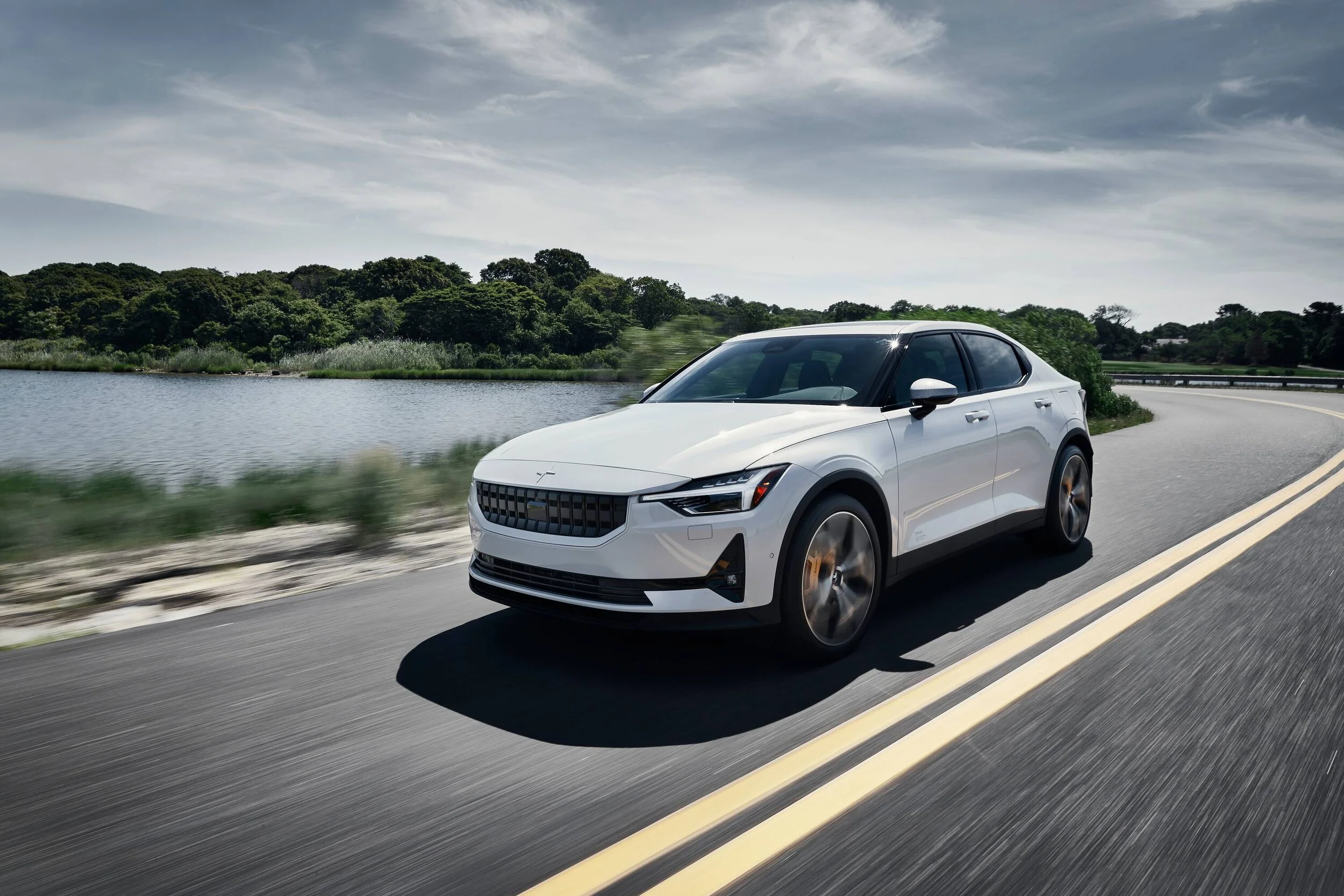
Polestar confirms entry into Australian and key Asian markets by end of 2021
Polestar has today announced the expansion of its global footprint in 2021 with the addition of five new markets in the Asia Pacific region.

Polestar expands into five new markets in 2021 including Australia and New Zealand
Polestar to add five new markets across Asia Pacific
Polestar 2 will be available in 18 markets across Europe, North America and Asia Pacific by end of 2021, including Australia, New Zealand and Singapore
Polestar has today announced the expansion of its global footprint in 2021 with the addition of five new markets in the Asia Pacific region. These markets will join three new and previously announced European markets, bringing Polestar’s global footprint to 18 countries by the end of the year. The new markets include South Korea, Singapore, Hong Kong, Australia and New Zealand.
“The brand is gathering real momentum, and it is great to be expanding with Polestar 2 beyond our initial global markets in China, North America and Europe,” says Thomas Ingenlath, CEO of Polestar.
Preparations in these markets are at different stages as the brand organises market launches and eventually the opening of online sales. Specific dates and details for each market will be published locally to include model specification and product pricing.
Key for Australia and South Korea, local independent Polestar sales units are being established and new Managing Directors have already been appointed. In Australia the local organisation will be led by Samantha Johnson, and Jongsung Ham will head up Polestar in South Korea. The other markets will likely be operated on an importer basis, with local partners to be confirmed in due course.

According to Nathan Forshaw, Polestar’s new head of the China and Asia Pacific regions, “specific roll-out timing is at an advanced planning stage and the recruitment of key individuals has begun.” He adds “While we are growing rapidly, we are ensuring both our organisation and processes ensure a consistent and truly Polestar experience for our customers, wherever they are based.”
Polestar has already had a presence in Europe and North America since launch in 2020, and retails the Polestar 2 through its website and its “Spaces”; a term for centrally located design-focused showrooms in the style of Tesla stores.

Kia teases EV6 electric car based on E-GMP platform
Kia’s EV6 has been teased a lot over the last few months, but today Kia Corporation revealed the first official images of the car. This is the company’s first dedicated Battery Electric Vehicle (BEV) based on the company’s E-GMP electric vehicle architecture.

Kia’s EV6 heralds battery electric future for South Korean automaker
The Kia EV6 has been teased a lot over the last few months, but today Kia Corporation revealed the first official images of the car. This is the company’s first dedicated Battery Electric Vehicle (BEV) based on the company’s E-GMP electric vehicle architecture.
Kia recently underwent a logo and corporate branding redesign, with the new brand visuals reportedly created to look like a handwritten signature. and the EV6 appears to lead a new design philosophy which should carry forward to the company’s full range of electric vehicles.

Kia’s EV6 front design
As part of the company’s brand transition, Kia’s new dedicated battery electric vehicles will be named according to a new global naming strategy. All BEVs will start with the prefix ‘EV’ to keep it simple for consumers. This is followed by a number which corresponds to the car’s position in the line-up.
While technical details haven’t been revealed, it might be worth looking to Hyundai’s just revealed IONIQ 5 for clues to where Kia is headed. The IONIQ 5 offers two battery sizes—58kWh and 72.6kWh in rear wheel drive and all wheel drive configurations, with power from 125 kW (170 PS) to 225 kW (305 PS). We expect the EV6 to also share the IONIQ 5’s 800 volt electrical architecture.
We’ve lightened the side profile image below to show a little bit more detail, but Kia’s designers haven’t left a huge amount of detail in this image file. By all accounts, the EV6 should be a handsome car. We see some Audi influences in the front headlight design, and the broad hip-line nicely hides the bulk of a liftback tailgate. The slim rear lights echo the current trend of full-width light graphics, with a nice hark back to Maserati’s 3200GT.
The EV6 is set for an online worldwide reveal in late March 2021.

Kia’s EV6 in side profile


The rear taillight design of the EV6

Energy Renaissance announces start of construction for Australia's first lithium-ion battery factory
Australia will soon be producing lithium-ion batteries onshore, thanks to start-up Energy Renaissance. With funding raised exclusively from private investors, Energy Renaissance has committed to manufacturing batteries at a site in Tomago, NSW, only a few kilometres from the Port of Newcastle.
Australia will soon be producing lithium-ion batteries onshore, thanks to start-up Energy Renaissance. With funding raised exclusively from private investors, Energy Renaissance has committed to manufacturing batteries at a site in Tomago, NSW, only a few kilometres from the Port of Newcastle.
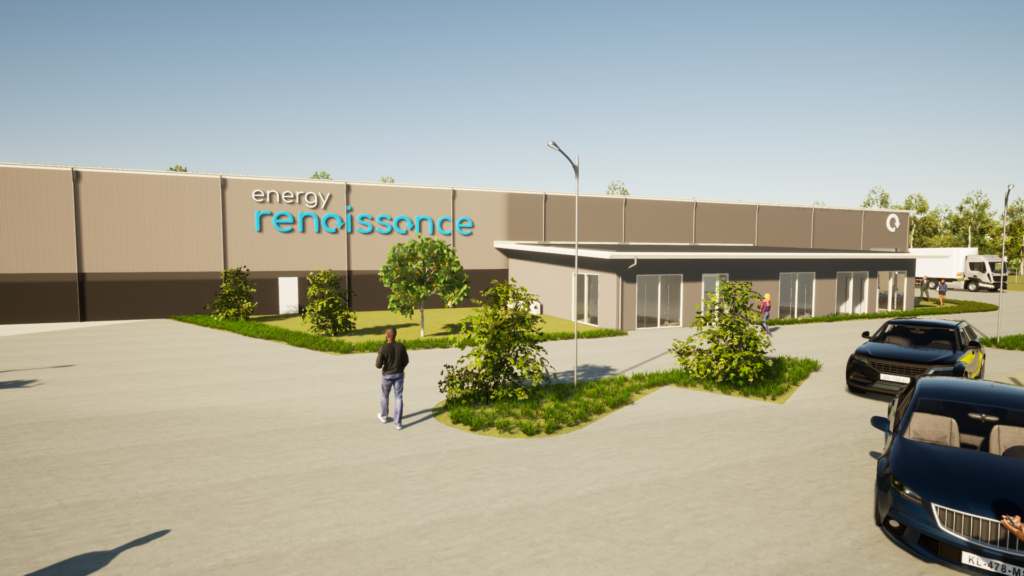
Energy Renaissance’s 4,500 sqm purpose-built facility will manufacture Australian made batteries that are, according to the company “safe, secure, affordable and optimised to perform in hot climates.” Energy Renaissance will be manufacturing energy storage systems for the transport industry including busses and light commercial vehicles, as well as batteries for grid-scale, mining industry and community storage uses.
Energy Renaissance will have an initial battery production capacity of 48MWh per year and the capacity to expand to 180MWh per year in 2022. Energy Renaissance’s long-term plans are to develop a 1GWh battery manufacturing facility, and potentially grow to 5.3GWh over the next decade.
Construction of the facility will commence in April 2021 with a small-scale production trial run of batteries to start by July 2021, ramping up to full-scale production in October 2021.

CIS Solutions recently undertook an independent economic impact analysis, and concluded that an Australian advanced manufacturing industry supplying and exporting battery-grade chemicals and materials would create over 100,000 construction and 80,000 operational jobs and add AUD$7.3 trillion in export revenue. (Note that we haven’t been able to find a link to this study online)
There has been a dramatic decline in appetite for Australian iron ore and coal both domestically and internationally, and the Australian Government has been rather slow in realising that lithium—a metal found in abundance in Australia—has the potential to not only generate serious export dollars as global demand for batteries rises over the next decade, but to also shore up skilled manufacturing jobs locally, assisting the transition and retraining of mining sector workers.
Energy Renaissance is perfectly placed to take advantage of this; it’s investment to process raw materials locally in a region already known for mining means that the company should have a captive employment market available, as well as access to global markets via the nearby port.
With the New South Wales committing to purchase over 8,000 electric buses, this should present a great opportunity for Energy Renaissance to find local customers.

The government’s Minister for Industry, Science and Technology Karen Andrews and the Prime Minister, Scott Morrison were also present at Energy Renaissance’s manufacturing facility launch, and were keen to jump in with their own announcement, releasing the Resources Technology and Critical Minerals Processing road map in the Commonwealth Government’s Modern Manufacturing Strategy.
The Strategy has the following goals:
2 years: Improved capability to bring products quickly to market, through improved market development activities and investment made in critical enablers.
5 years: Foster increased collaboration with relevant sectors and international supply chains, increase exports and grow private sector investment.
10 years: Australia seen as a regional hub for resources technology and critical minerals processing, with significant R&D advancements, retention in intellectual capital for SMEs and significant volume and value of exports.
We’ll keep you updated as Energy Renaissance’s facility comes together.
Read more about the government’s strategy here: https://www.industry.gov.au/data-and-publications/resources-technology-and-critical-minerals-processing-national-manufacturing-priority-road-map

Hyundai's Nexo fuel cell electric vehicle forms Australia's first hydrogen fleet
Hyundai has become the first manufacturer to supply a hydrogen fleet in Australia, to the government of the Australian Capital Territory (ACT). 20 zero-emission Hyundai NEXO fuel cell electric vehicles have been registered and are set to hit the road in March as part of the ACT government fleet.


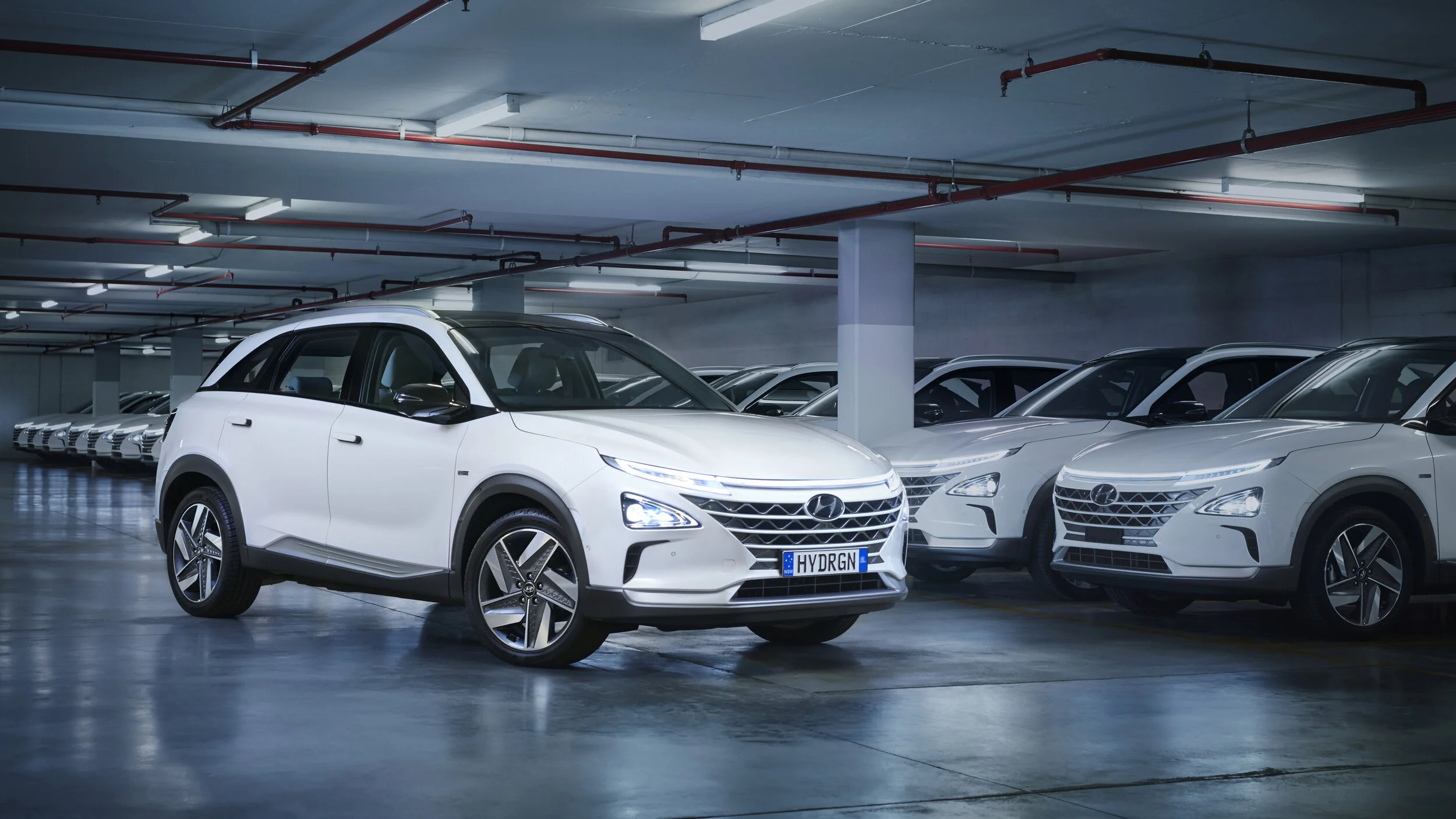


Hyundai has become the first manufacturer to supply a hydrogen fleet in Australia, to the government of the Australian Capital Territory (ACT). 20 zero-emission Hyundai NEXO fuel cell electric vehicles have been registered and are set to hit the road in March as part of the ACT government fleet.
The NEXO fleet represents the first deployment of fully certified, ADR-approved Fuel Cell Electric Vehicles (FCEVs) in Australia, as well as the first use of hydrogen vehicles by a Government in Australia.

ACT Government welcomes the new vehicles
ACT Minister for Climate Change and Sustainability, Shane Rattenbury MLA, said that the NEXO fleet deployment is a positive step towards mitigating climate change. "Tackling climate change means tackling transport pollution, and zero-emission vehicle technology is a key part of this,” Mr Rattenbury said.
Australia’s first publicly available hydrogen station is scheduled to open in Canberra later this month (March 2021) and will provide the capability for 700-bar rapid refueling of the NEXO fleet.
EV Brief understands that hydrogen will be electrolysed on site (or close to), and will be powered by renewable energy from a Neoen wind farm just outside Canberra.
The initial 20 ACT government NEXO vehicles will be followed by a fleet of five of the FCEVs for the Queensland government, which are presently inbound to Australia.
The NEXO was released in 2018, but still looks contemporary. NEXO has a range of 666km (WLTP), with a refueling time of three to five minutes, and emits only water vapour from its exhaust. Hyundai claims the NEXO “purifies the air as it drives”, and that for every hour that the NEXO is on the road, 26.9 kilos of air is purified.

Hyundai’s NEXO emits only water from its tailpipes.
The heavy duty filtration system of the NEXO removes 99.9% of PM2.5 fine particulate matter from polluted air according to Hyundai.
“The deployment of 20 NEXO fuel cell electric vehicles for the ACT government is a significant milestone in Hyundai’s long-term commitment to hydrogen as a key to zero-emissions transport solutions for Australia,” Hyundai Motor Company Australia Chief Executive Officer, Jun Heo said. “As part of a line-up that includes the hybrid and plug-in hybrid IONIQ, and the pure electric IONIQ and Kona models, NEXO also underscores Hyundai’s leadership in eco-mobility,” he said.
Our take:
Hydrogen is certainly going to be important in the future, particularly in manufacturing and heavy industry as a replacement for gas where renewables aren’t practical. Hydrogen even makes sense for commercial vehicles, government fleets and busses where it can be electrolysed on site via renewable energy.
The biggest problem comes from the required energy to electrolyse hydrogen; Only 38% of the original electricity used actually makes it to the driven wheels of a vehicle. By comparison, a battery electric vehicle (BEV) achieves around 80-90% efficiency.
Hydrogen has to be compressed, chilled and transported to a refueling station and then when inside the vehicle, needs to be converted to electricity and finally into powering the motor. Not only do BEVs break the whole refining/transportation/refueling regime that lines the pockets of big oil, they allow consumers to power their own vehicles from 100% renewable energy in the form of solar panels on their home.
Hyundai and Toyota are two of a small number of manufacturers pursuing hydrogen development, but the rest of the industry seems to be heading for a pure electric future.

2021 Porsche Taycan Cross Turismo launches as the rugged, practical EV
Porsche has pulled the wraps off the Taycan Cross Turismo range, and to no one’s surprise, it looks very similar to the Mission E Cross Turismo concept. Let’s get straight to the point; we love the look of this uber-fast wagon.

Porsche’s Taycan Cross Turismo arrives with more space, practicality, and off-road looks
Four all-wheel-drive variants available, starting with the 280 kW (380 PS) Taycan 4 Cross Turismo
Australian buyers limited to 4S and Turbo variants, priced from AUD$201,000
Similar silhouette to Mission E Cross Turismo concept; optional Off Road Design package available
30mm increase in ride height; 36mm increase in rear headroom for passengers
Adaptive air suspension, 93.4 kWh battery standard-fit for Cross Turismo


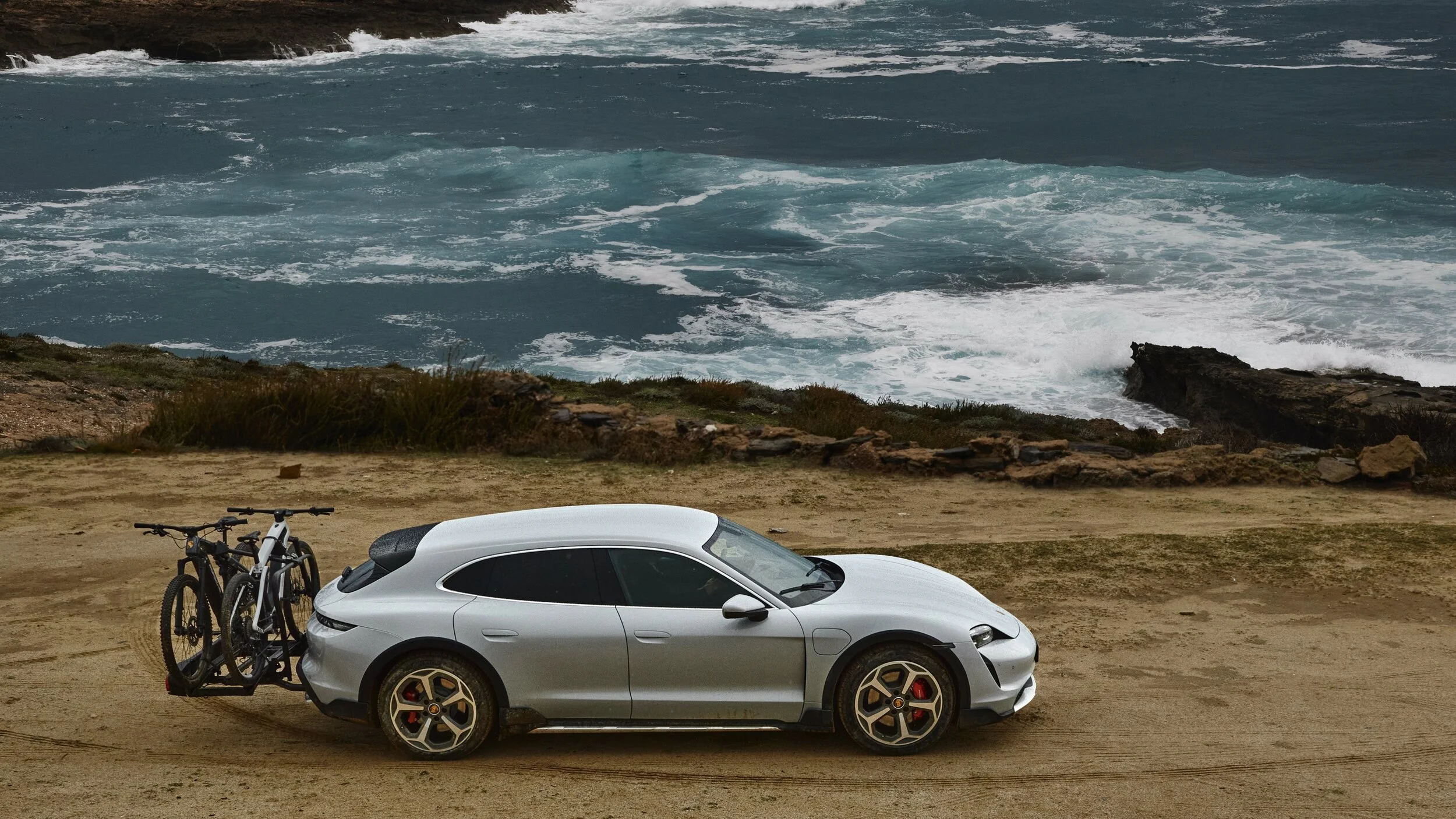
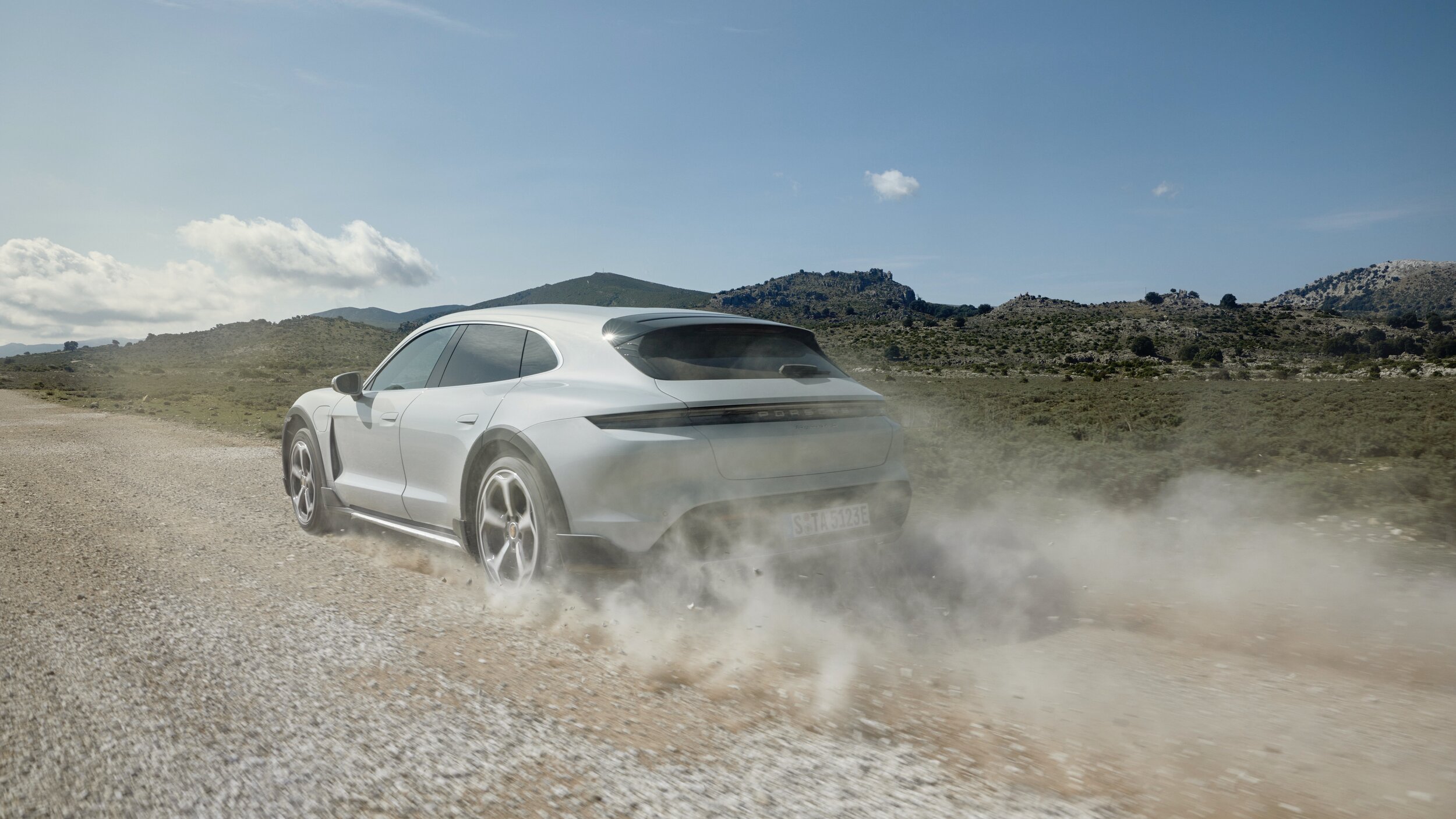

Porsche has pulled the wraps off the Taycan Cross Turismo range, and to no one’s surprise, it looks very similar to the Mission E Cross Turismo concept. Let’s get straight to the point; we love the look of this uber-fast wagon. Fast German wagons are an underappreciated niche in Australia, but there is much enthusiasm for the likes of Audi’s RS4 and RS6, Mercedes-Benz’ C63S AMG Estate and Porsche’s own Panamera Sport Turismo.
On that note, the slightly larger Panamera 4S Sport Turismo is available in Australia from $217,000, meaning that the equivalent Taycan 4S Cross Turismo is $16,000 cheaper. The second model to make it to Australia is the Taycan Turbo Cross Turismo, priced from $271,200.

Globally, four models will be available, with identical specifications to the Taycan sedan:
The Taycan 4 Cross Turismo with 280 kW (380 PS), overboost power for Launch Control 350 kW (476 PS), acceleration 0-100 km/h in 5.1 seconds, top speed 220 km/h, range (WLTP) 389 – 456 km - USD $92,250 (not available in Australia)
The Taycan 4S Cross Turismo with 360 kW (490 PS), overboost power with Launch Control 420 kW (571 PS), acceleration 0-100 km/h in 4.1 seconds, top speed 240 km/h, range (WLTP) 388 – 452 km - USD $111,650/AUD $217,000
The Taycan Turbo Cross Turismo with 460 kW (625 PS), overboost power with Launch Control 500 kW (680 PS), acceleration 0-100 km/h in 3.3 seconds, top speed 250 km/h, range (WLTP) 395 – 452 km - USD $154,850/AUD $271,200
The Taycan Turbo S Cross Turismo with 460 kW (625 PS), overboost power with Launch Control 560 kW (761 PS), acceleration 0-100 km/h in 2.9 seconds, top speed 250 km/h, range (WLTP) 388 – 419 km.- USD $188,950 (not available in Australia)

The Taycan Cross Turismo adds just a little bit more space everywhere over the regular Taycan, with a wheelbase of 2,904mm (+4mm), a length of 4,974mm (+11mm), a width of 1,967mm (+1mm) and a height of 1,412mm (+31mm).
This results in an additional 36mm of headroom for rear seat passengers; a lack thereof in the sedan was a common criticism. Rear cargo space is increased too, with the 4 and 4S variants up to 446 litres with the rear seats upright (+80 litres), or 1212 litres with the seats flat. There’s also an 84-litre front trunk/boot.
For our money, we think the Cherry metallic with 20 inch turbo aero wheels, roof rails, panoramic roof and off road design package is the right specification.
With adaptive air suspension fitted as standard, five drive modes including a gravel mode are available to the driver. Gravel changes the air suspension's firmness, controls torque to the wheels to suit slippery surfaces, and optimises traction control and stability control systems for loose surfaces. An optional Off Road Styling package can be added, increasing ride height a further 10mm in gravel mode. The package also includes visual elements such as a larger rear diffuser, front aero pieces and a faux skid plate.
The Cross Turismo receives the larger Porsche 93.4 kWh battery pack as standard, presumably to deal with additional hauling and range requirements of wagon buyers.

Volvo reveals 2022 C40 Recharge all-electric coupe SUV
In the quest for greater sales, manufacturers are practically inventing market segments. Enter Volvo’s C40 Recharge, which is a compact five-seat electric SUV with a coupe roofline. To be sold online only, the C40 Recharge shares much under the skin with its XC40 P8 Recharge and Polestar 2 siblings. With two electric motors good for 300 kW and 660 Nm, Volvo claims a 0-100 km/h time of just under five seconds.

C40 Recharge coupe-SUV is first Volvo designed as electric only
Compact Modular Architecture (CMA) shared with XC40 Recharge and Polestar 2
Maximum claimed WLTP range of 420 kilometres (260 miles)
150 kW charging; claimed zero to 80 per cent recharge in 40 minutes
78 kWh battery with 300 kW (407 PS) of power, 660 Nm (486 ft-lb) of torque, 0-100 km/h (0-62 mph) <5 seconds
100% animal skin free interior, Android based operating system
Available for preorder in Europe now, confirmed for late-2022 arrival in Australia
C40 Recharge debuts with coupe style
In the quest for greater sales, manufacturers are practically inventing market segments. Enter Volvo’s C40 Recharge, which is a compact five-seat electric SUV with a coupe roofline.
To be sold online only, the C40 Recharge shares much under the skin with its XC40 P8 Recharge and Polestar 2 siblings. With two electric motors good for 300 kW and 660 Nm, Volvo claims a 0-100 km/h time of just under five seconds.

The 78kWh lithium-ion battery pack features active cooling and is located completely below the floor of the vehicle. Driving range on a full charge is estimated at 420 kilometres on the WLTP testing cycle.
From the front doors forward, there are not many cues to tell the C40 apart from the XC40, save for a slightly more angular headlight design and more aggressive front air ‘vents’. The rear is visually quite striking, with the large glass pane flanked by LED tail lights, and sporty upper and lower rear spoilers.
The roofline is about 70mm lower in the rear than that of the CX40 Recharge, resulting is reduced headroom.

There are seven colours available at launch: Black Stone, Crystal White metallic, Fjord Blue metallic, Fusion Red metallic, Sage Green metallic, Silver Dawn metallic and Thunder Grey metallic:


Interior design is classic Volvo
It appears to be business as usual on the inside of the C40 Recharge, but Volvo pushes its sustainable credentials by removing all animal-skin from the interior. While not classified as totally vegan as some interior components use animal fat in glues and plastics, its a step in the right direction.

Volvo’s Android powered navigation brings Google Maps to the driver’s display

There’s a large panoramic sunroof, backlit metallic trim panels, and the soft touch points and excellent ergonomics the Swedish brand is known for. The C40 Recharge’s infotainment and operating system gets an upgrade too, with the Google-based Android system from Polestar’s 2, complete with a fully digital driver’s instrument panel with Google Maps front and centre.

Customers can download apps for the car from Google’s Play Store, and Google’s excellent assistant is available at the touch of a button.
Specifications and details are scant at the moment, with Volvo devoting just a few minutes to the C40 Recharge at yesterday’s press reveal. It will be produced in the company’s Ghent, Belgium factory, and is available to pre-order online. Volvo Australia has confirmed the C40 Recharge will arrive down under in late-2022.


![Tesla proposes world's largest V3 supercharging site in Santa Monica, with 62 stalls [updated]](https://images.squarespace-cdn.com/content/v1/5237a580e4b09510ca448d5e/1614734780645-GO2LYM2CUIYEGNE5DO1O/V3-Vegas.jpeg)
Tesla proposes world's largest V3 supercharging site in Santa Monica, with 62 stalls [updated]
Tesla has lodged a submission with the City of Santa Monica Planning Commission to build the world’s largest supercharger across two sites at 1401 & 1421-1425 Santa Monica Boulevard. Currently an open air carpark, the site is around a 30 minute walk to downtown Santa Monica.
[Update] - The City of Santa Monica Planning Commission approved the project, five votes to two, after a three hour long discussion.
Tesla has lodged a submission with the City of Santa Monica Planning Commission to build the world’s largest supercharger across two sites at 1401 & 1421-1425 Santa Monica Boulevard.
Currently an open air carpark, the site is around a 30 minute walk to downtown Santa Monica and Santa Monica Beach, and conveniently located for employees of the nearby Amazon Studios, Naughty Dog and Red Bull headquarters.
Currently open-air parking, 1421 Santa Monica Blvd may be home to the world’s largest supercharger site. Image: Google Maps
Planning submission details
The cover letter to the City of Santa Monica proposes obtaining approval for each lot independently. The proposed project consists of 36 V3 superchargers with PV solar canopies for the western lot at 1401 Santa Monica Blvd, and 26 V3 Superchargers plus restroom facilities for the eastern lot at 1421-1425 Santa Monica Blvd.
A site plan for the 62 stall Tesla Supercharger
A Megapack placed on the western lot will power the facility with a power rating of 1,264 kW and 2,529 kWh. Supercharger cabinets will be spread across both sites, and located behind fencing.
Parking spaces will vary in width across both sites, ranging from 8’-6” (2.58 metres) to 11’-1” (3.37 metres) wide; the largest spaces are presumably designed to accommodate Tesla’s upcoming Cybertruck.
Tesla’s cover letter to the City of Santa Monica Planning Commissions
Tesla’s commitments to the site
As part of the project’s proposal, Tesla has promised that adequate on-site public safety and product integrity is top priority, and that weekly, monthly and quarterly maintenance checks will be carried out.
Presently the world’s largest Supercharger is located in Shanghai, with 72 V2 stalls. The Santa Monica Planning Commission is set to vote on the project on Wednesday March 3, 2021.

A V3 Supercharger site in Las Vegas. Image: Tesla Motors
Source: https://www.smgov.net/departments/pcd/agendas/Planning-Commission/2021/20210303/a20210303.htm Thanks to listener Jennifer for the tip!

Volkswagen EV Convertible could join ID.3 range according to CEO
Volkswagen’s CEO, Ralf Brandstätter appears keen on a drop-top variant of the electric ID.3 hatch, after sharing concept sketches for an ID.3 convertible on Linkedin

VW CEO shares concept sketches of possible future electric ID.3 variant
Volkswagen’s CEO, Ralf Brandstätter appears keen on a drop-top variant of the electric ID.3 hatch, after sharing the following text and sketch image on Linkedin:
“An ID.3 convertible? Sounds quite appealing: enjoying nature with the top down, with the instant, but silent electric punch. This could provide an entirely new, extraordinary feeling of freedom. I admit: a very tempting idea. We are still pondering how to turn this attractive concept into reality. Just in case, our design team has already sketched out some initial ideas. The most exciting question: what do YOU think? Would electric driving and an open-air-experience make a perfect match?”
Of course, any new model has to go through a rigorous design and approval process; most manufacturers spend five-plus years developing a new model, meaning that this is a tease in the true sense of the word and that the ID.3 convertible is already a fait accompli for the brand in the coming years, or Brandstätter could genuinely be gauging public interest before the board gives the project a green light.
We’re a fan of Volkswagen convertibles with a Mark VI Golf cabriolet currently in our extended family. These ID.3 convertible sketches capture the blunt rear and deep sides of the early Golf cabriolets (though sadly without the roll-over hoop) whilst maintaining the ID.3 hatchback’s agressive, snub-nose front.

The ID.3 convertible has an uphill battle ahead though, with cabriolet and roadster sales on the decline in recent years, as more and more consumers around the world purchase SUVs (much to our chagrin). Mercedes-Benz has cancelled the SLC roadster, Mini has stated that the Mini Cooper cabriolet won’t make it to the next generation of vehicles and it could be last drinks for Audi’s iconic TT roadster.
If the ID.3 convertible does indeed make it to market, then it will be the first four-seat all electric vehicle on sale. When you think about it, an EV drivetrain is perfect for open top motoring: Zero noise means passengers are able to enjoy the sounds of nature as they whizz through the Schwarzwald or along the Côte d'Azur, and zero emissions results in a healthier driving experience.
The ID.3 hatch and ID.4 SUV are scheduled to arrive in Australia from 2023.


Inside the design of Porsche's Taycan Cross Turismo EV wagon. Watch the world premiere here
Porsche is playing coy with its more practical variant of the Taycan range, the Cross Turismo wagon. Although still under camouflage wrap, we can be reasonably confident that Porsche will keep many of the design elements of the Mission E Cross Turismo concept, combining the space and versatility of a wagon with the Taycan’s stellar performance, handling and 800V electrical architecture.
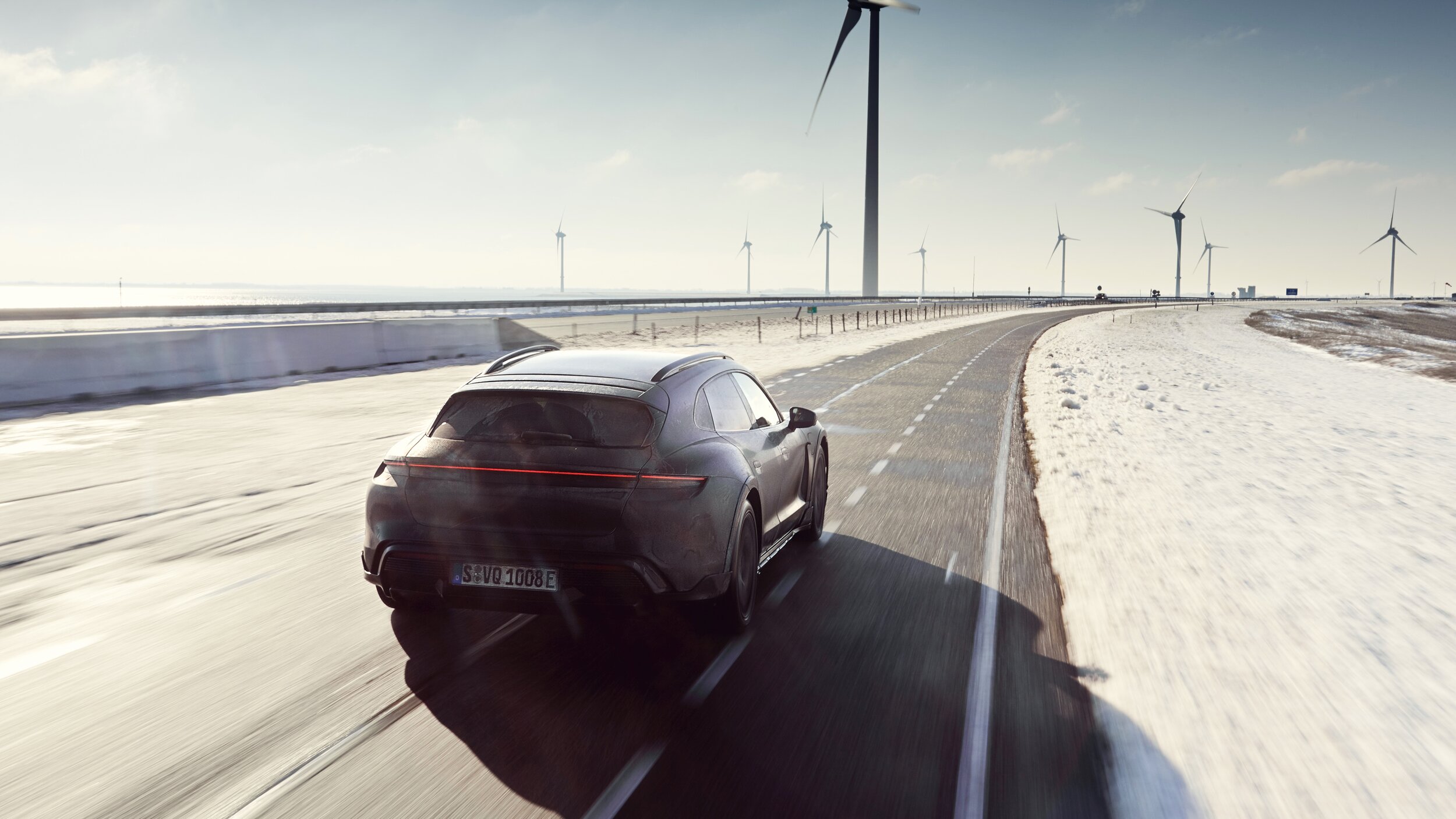
The Taycan Cross Turismo. Images: Porsche
Porsche releases insight into Taycan Cross Turismo Design
Taycan Cross Turismo range set to be unveiled on March 4 2021 at 16:00 CET
Powertrain and battery options likely to remain as per Taycan sedan
Pricing likely to be USD$4-6k more than Taycan sedan based on Panamera Sport Turismo pricing
Porsche is playing coy with its more practical variant of the Taycan range, the Cross Turismo wagon. Although still under camouflage wrap, we can be reasonably confident that Porsche will keep many of the design elements of the Mission E Cross Turismo concept, combining the space and versatility of a wagon with the Taycan’s stellar performance, handling and 800V electrical architecture.

The Porsche Mission E Cross Turismo

The Taycan sedan was criticised by many for its lack of interior and boot space, despite its long wheelbase and body. For all the nitpicking we as media and public alike perform over each and every new vehicle release, often we don’t consider just what it takes to design a car to please everyone.
In the video below, Klaus Bernhard, team leader for PMU, DMU and concept cars takes us inside the Package Functioning Model (PFM) workshop, where the ergonomics of every new Porsche are honed. Bernhard discusses how much thought, engineering and design goes into the smallest details, and often how challenges arise when different product design departments have to bridge competing interests, like fitting new computing and electrical systems into the car whilst maintaining excellent packaging.
The Taycan Cross Turismo will debut below at 16:00 CET on 4/3/2021.

Porsche Taycan Electric Sedan Lands in Australia Starting from $190,400
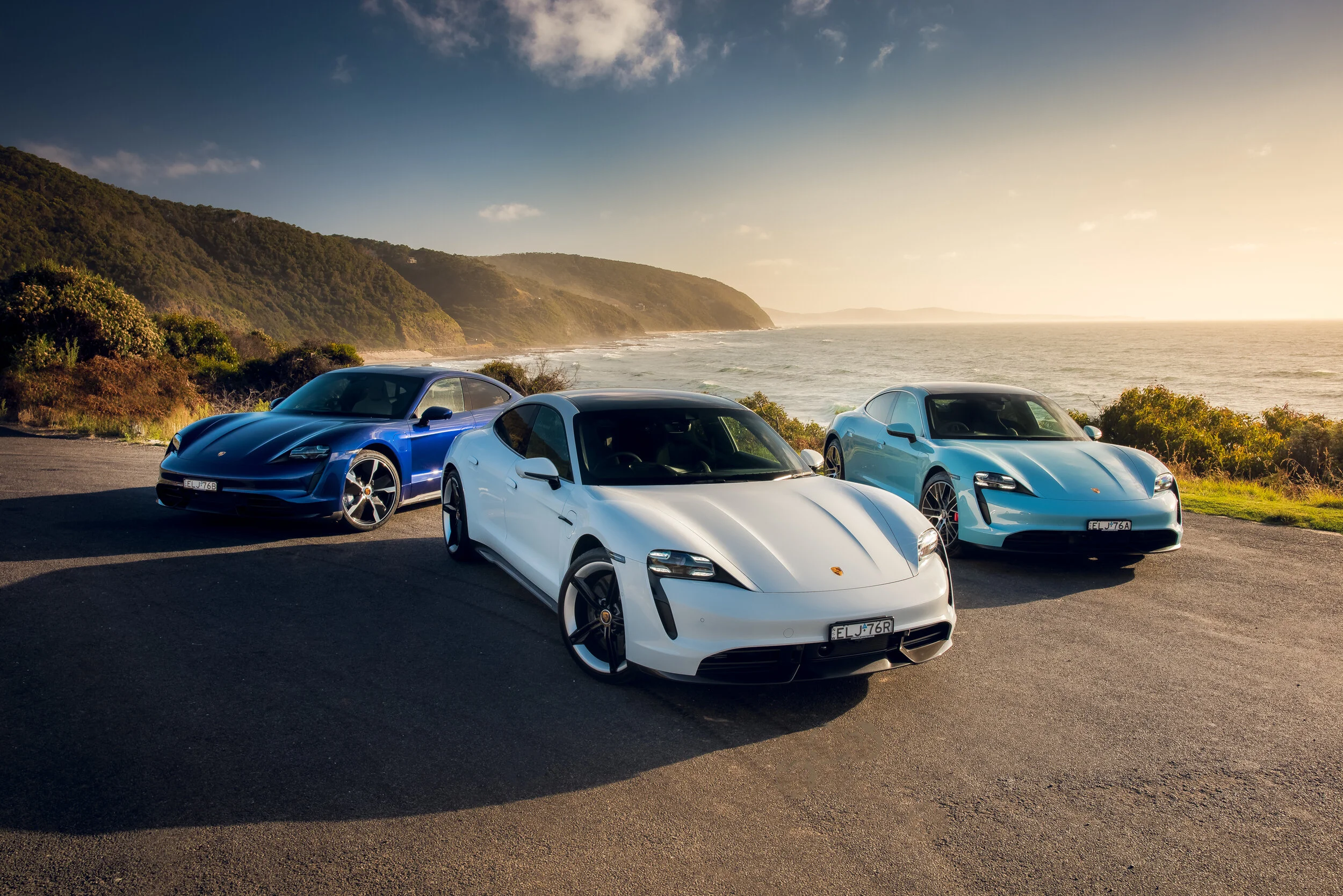
Taycan range hits Australia with all-wheel-drive 4S, Turbo and Turbo S available
Taycan 4S $190,400 - 79.2 kWh - 0-100 km/h in 4.0s
Taycan Turbo $268,500 - 93.4 kWh - 0-100 km/h in 3.2s
Taycan Turbo S $338,500 - 93.4 kWh - 0-100 km/h in 2.8s
Porsche’s Taycan 4S, Turbo and Turbo S range have landed in Australia, with this weekend heralding the first published press reviews and customer deliveries. To get into Porsche’s first all-electric sports car, you’ll have to fork out $190,400 before on road costs for the Taycan 4S. The Taycan Turbo will cost $268,500 and the Taycan Turbo S will set you back $338,500.
The Taycan 4S comes armed with a 79.2 kWh (gross capacity) battery, while the Turbo models receive the Performance Battery Plus; an upgrade to a 93.4 kWh battery pack. This is available as an $11,590 option for the Taycan 4S.
We spotted this Taycan 4S press car in Frozen Blue Metallic on the streets of Sydney, and it cuts a very striking, modern shape. While not as overtly aggressive as its Audi E-Tron GT sibling, the Taycan shape has elegance and presence in its aerodynamism. The Frozen Blue Metallic looks even better in person, catching the light across the Taycan’s curves.
Porsche recently added the Taycan rear-wheel-drive model to their overseas line ups, but Porsche Cars Australia has yet to announce if and when it may arrive here. Personally, we’re hanging out for the Taycan Cross Turismo; a wagon variant sporting a sexy shape, light off-road ability and raised suspension.
How would you spec your Taycan? Have fun with Porsche’s online configurator here.
The Taycan 4S in Frozen Blue Metallic, with optional 20-inch Turbo aero wheels.
The Taycan 4S charging port.
The Matrix LED headlights in Glacier Ice Blue with PDLS.
The Taycan 4S with optional 20-inch Turbo aero wheels.

The Taycan range. Image: Porsche Cars Australia
The Taycan 4S and Turbo S. Image: Porsche Cars Australia
The Taycan Turbo S. Image: Porsche Cars Australia
The Taycan Turbo S cost $338,500. Image: Porsche Cars Australia
Porsche Cars Australia has also just released a video with former F1 star (and Porsche Brand Ambassador) Mark Webber, who collected three lucky Australian Taycan owners for their first road and track experience of the car:


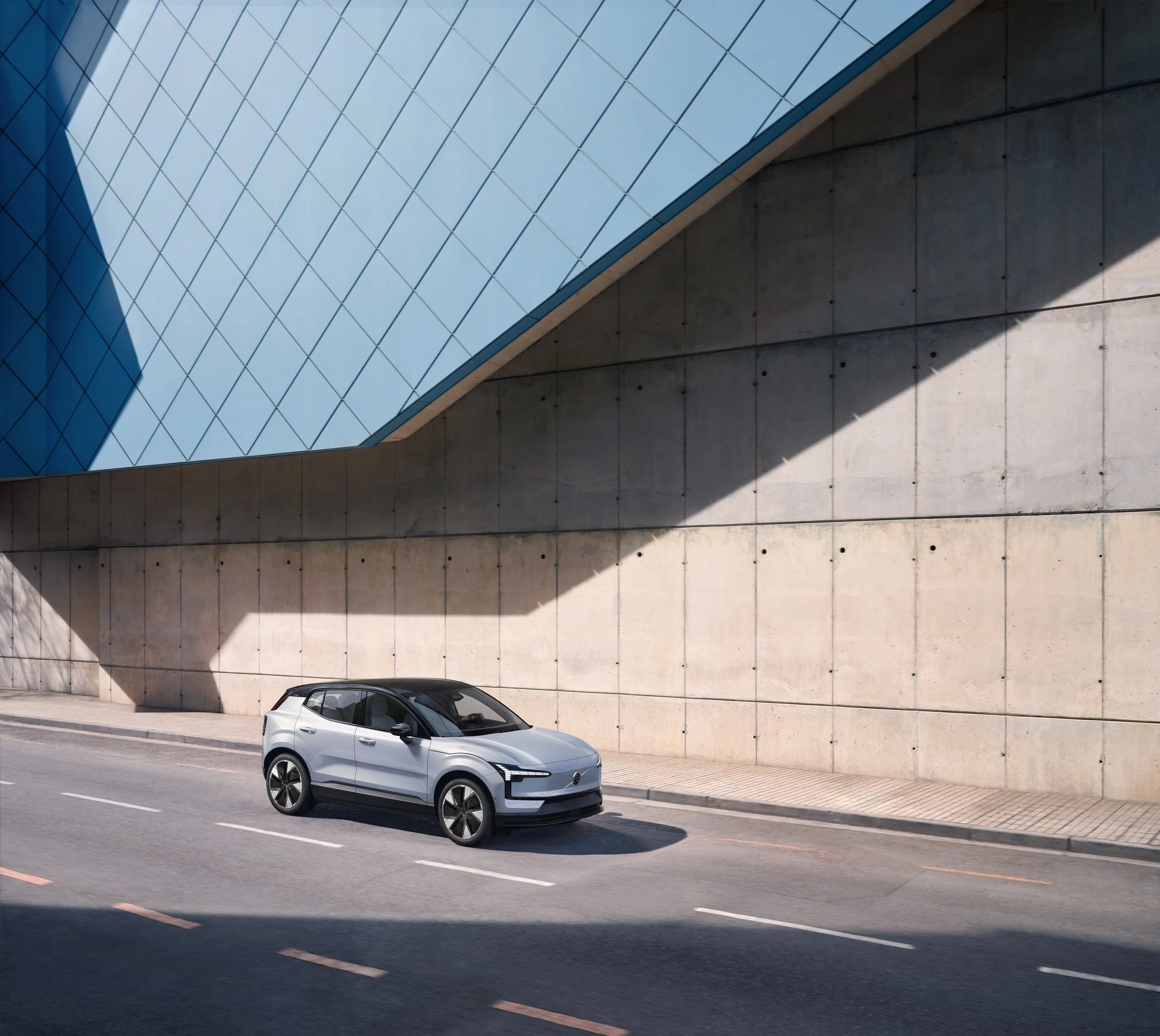


While Australians may have to wait longer for new models than northern hemisphere countries (and longer than our New Zealand neighbours for that matter), the future of all electric passenger cars in Australia is bright. Here are some of our highlights, expected to land in 2021: